


 Trust Your Spider Senses
Sixth sense, inner voice or gut instinct; whatever you call your intuition, it’s an important instrument for your FreeRide toolkit. As a FreeRider, you’re constantly required to make judgement calls based on incomplete data, and when certainty is lacking, this is where your spider senses can prove crucial. You may not be able to put your finger on it but if something doesn’t feel right, it probably isn’t.
According to social scientists, intuition involves “a sense of knowing, without knowing how” and is based on an unconscious processing of information. There are four types:
When we’re in the mountains we should mostly be using Big Picture Intuition to help inform our decision making. Our understanding of how snowpack, weather, terrain and rider ability fit together should provide the clues we need to stay safe.
Inferential Intuition has a place too, so long as the data is sound, but always be wary of Abstract Intuition. Just because you rode this slope before doesn’t make it safe today – see Lore #28: Only Today’s Conditions Matter
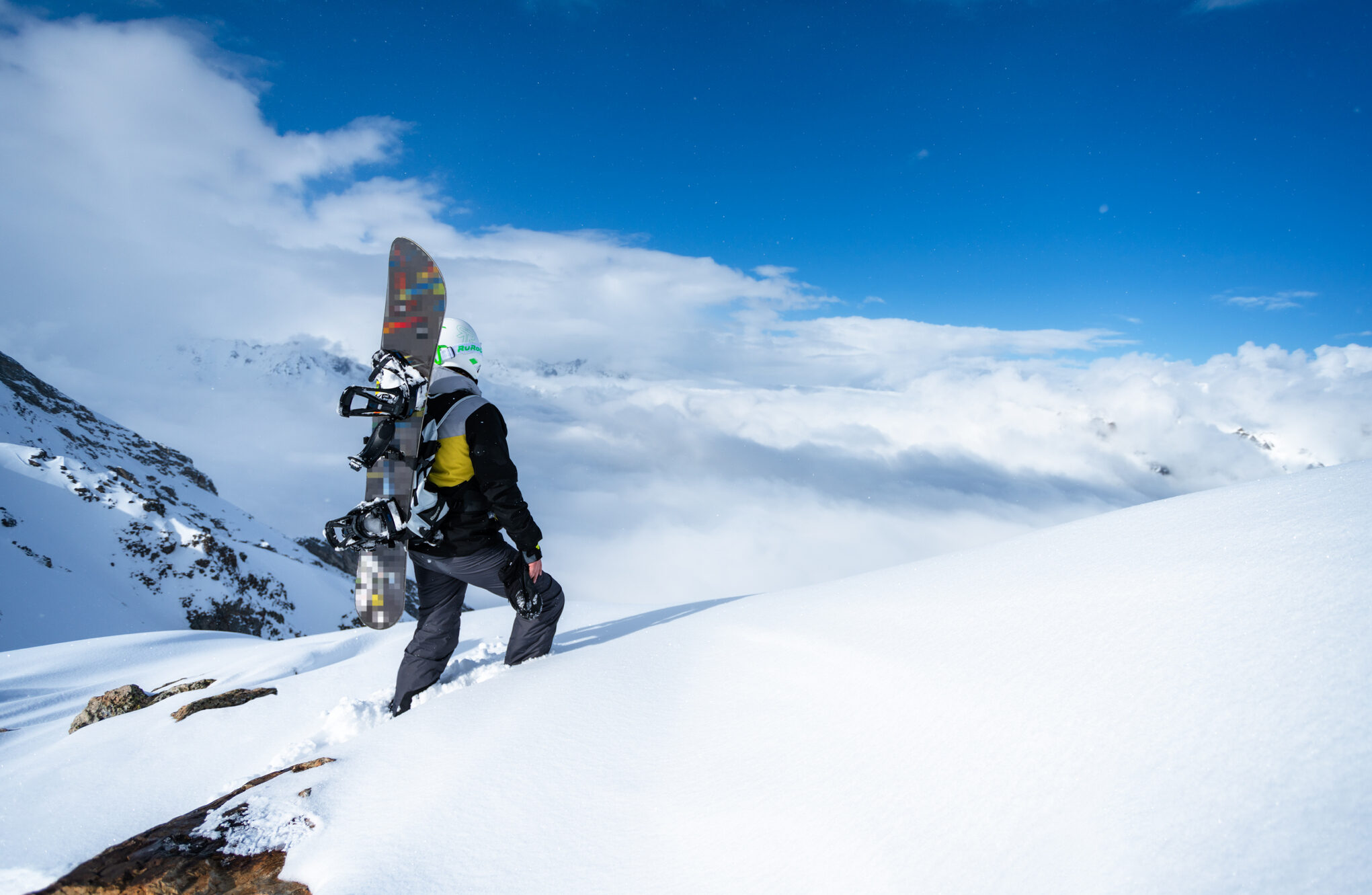
Sometimes a more primal instinct will guide you
It’s never a good idea to let Affective Intuition dominate your decision making — especially if it’s causing powder fever — but don’t dismiss it either. Try to figure out what your emotions are telling you; go back over your risk assessment; do your checks one more time and; above all, communicate your concerns with your buddies. There’s almost always a good reason.
Very occasionally it won’t be possible to decode your feelings, at which point it’s best to return to safe terrain. You may never know why your spider senses raised the alarm but it’s still the right call.
Being sufficiently self aware to figure out which of the different types of intuition you’re employing in your decision making will go a long way to keeping you safe in the backcountry, but the bottom line is:
If your gut is telling you not to drop — don’t.
Explore the themes below to find the best home for the content you want to learn about: