

 A Life in Your Gear. By Gav Fernie-Jones
Gav is the Founder of Re-Action Collection. He grew up in the Peak District on an outdoor activity centre, but swapped its gritstone edges and moorlands for the mountains of the French Alps, where he now lives with his wife, Sara and their two children, in the small village of Le Grenier.
For ten years Gav owned The Boot Lab, specialist ski boot fitters with stores in Meribel and Courchevel. After becoming disillusioned with the waste and excess of the ski industry he started a local not-for-profit called One Tree at a Time .
One Tree is a self funded community hub in Bozel that keeps outdoor equipment in action, through local skills and creativity. This became the catalyst for Re-Action Collective.
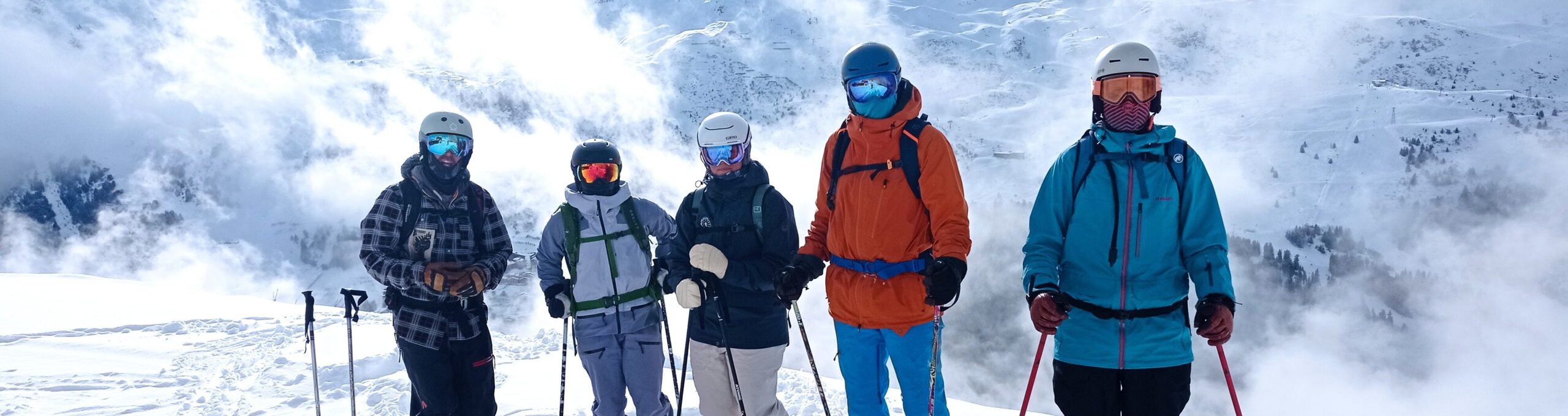
Gav regularly rides with FreeRide Republic and we asked him what we can do to extend the life of our gear and keep it out of landfill.
Instead of a linear model (buy, use, discard) which results in unnecessary waste, avoidable carbon emissions and rising costs, Re-Action Collective is a global network building circular systems to extend the life of our outdoor gear. In doing so, they reduce waste, lower emissions, and make the outdoors more accessible.
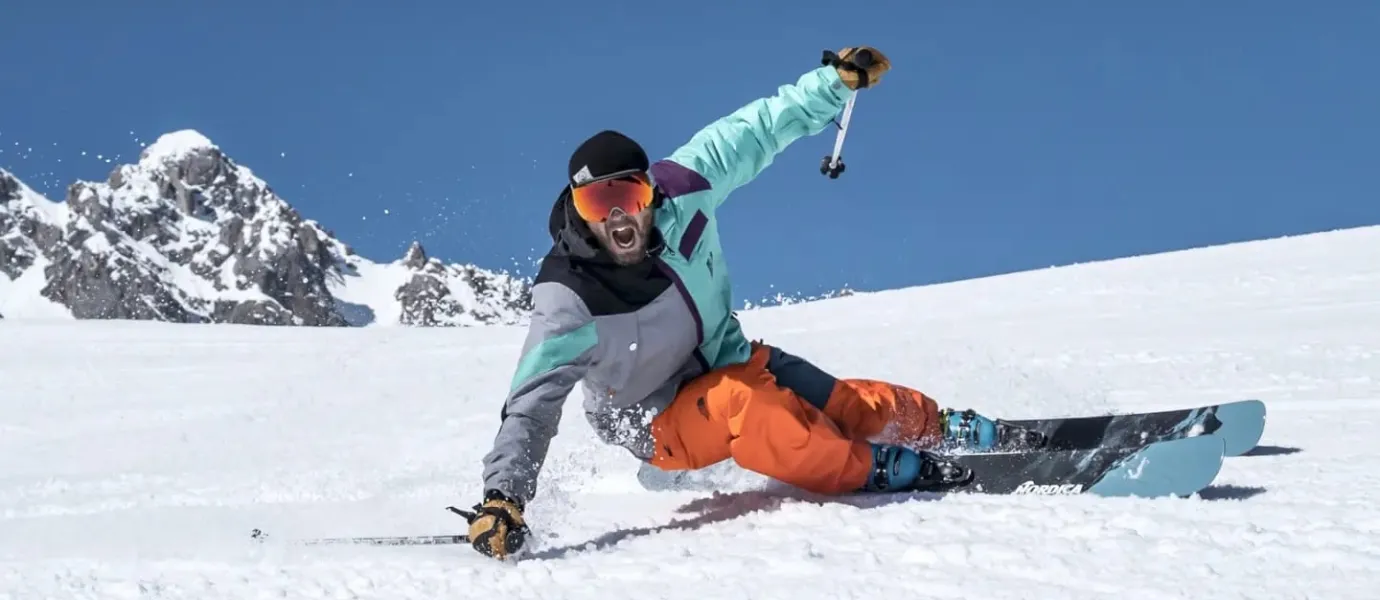
If you spend enough time in the mountains, your clothing stops being just clothing. It becomes part of the experience — something you rely on, something that carries the marks of where you’ve been.
The starting point is simple: buy well, and buy once. Fast fashion has no place in the mountains. A good shell or pair of trousers might cost more upfront, but if it’s well made it will last for seasons, not weeks. You end up buying less, wasting less, and trusting your kit when it matters.
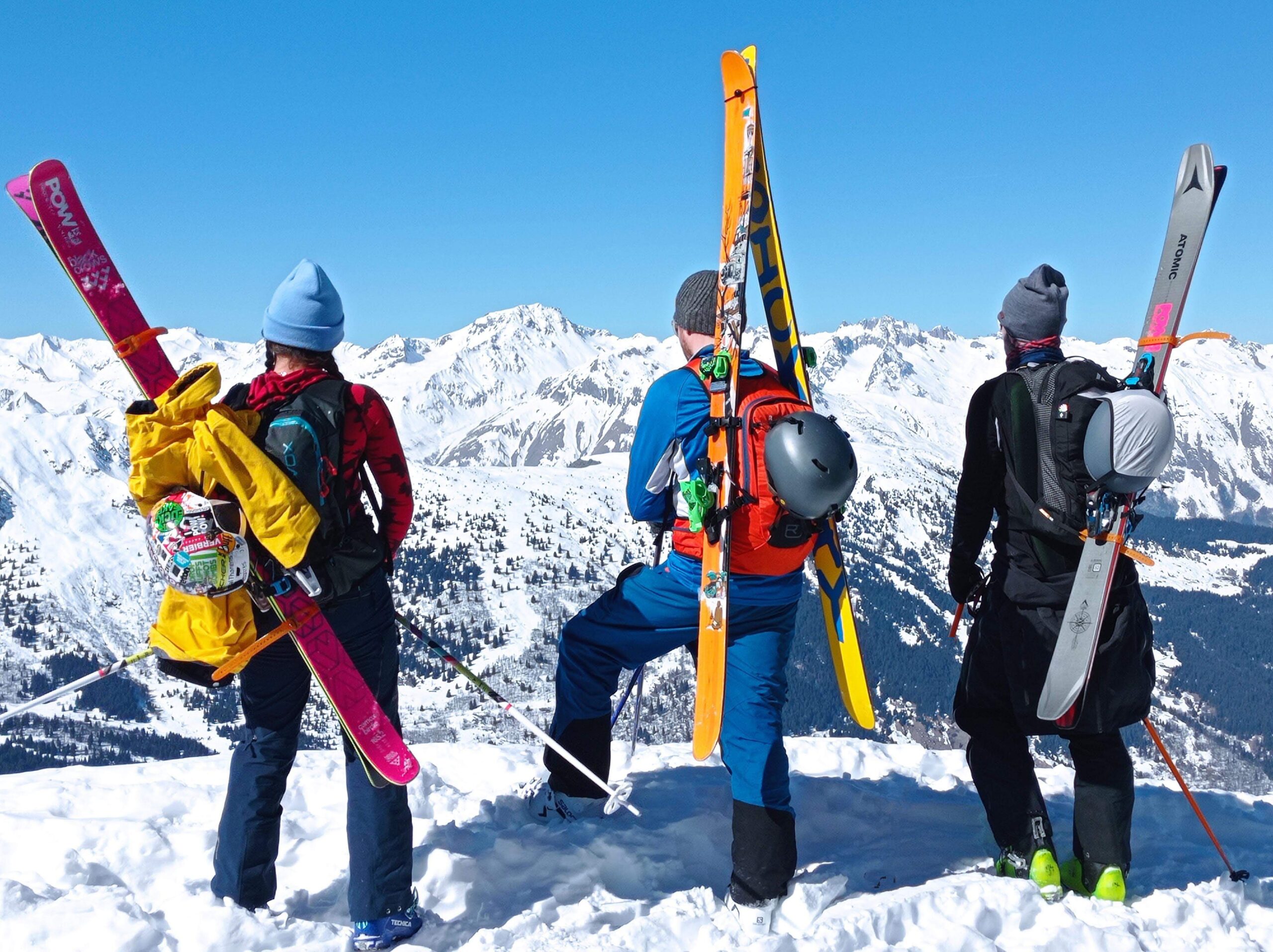
Using your gear to get out there is part of the deal. Some wear and tear is going to be inevitable – when you’re on the mountain, ski edges catch trouser cuffs, branches snag sleeves, elbows and knees can take a beating in the bootpack – this can’t be avoided and you shouldn’t try to, it’s all part of the adventure. But they’re also easy enough to fix. A simple stick-on patch, applied early, can make all the difference. Ignore it, and it becomes a bigger problem. Use it, but also care for it. If you do that, you’ll only need to buy once
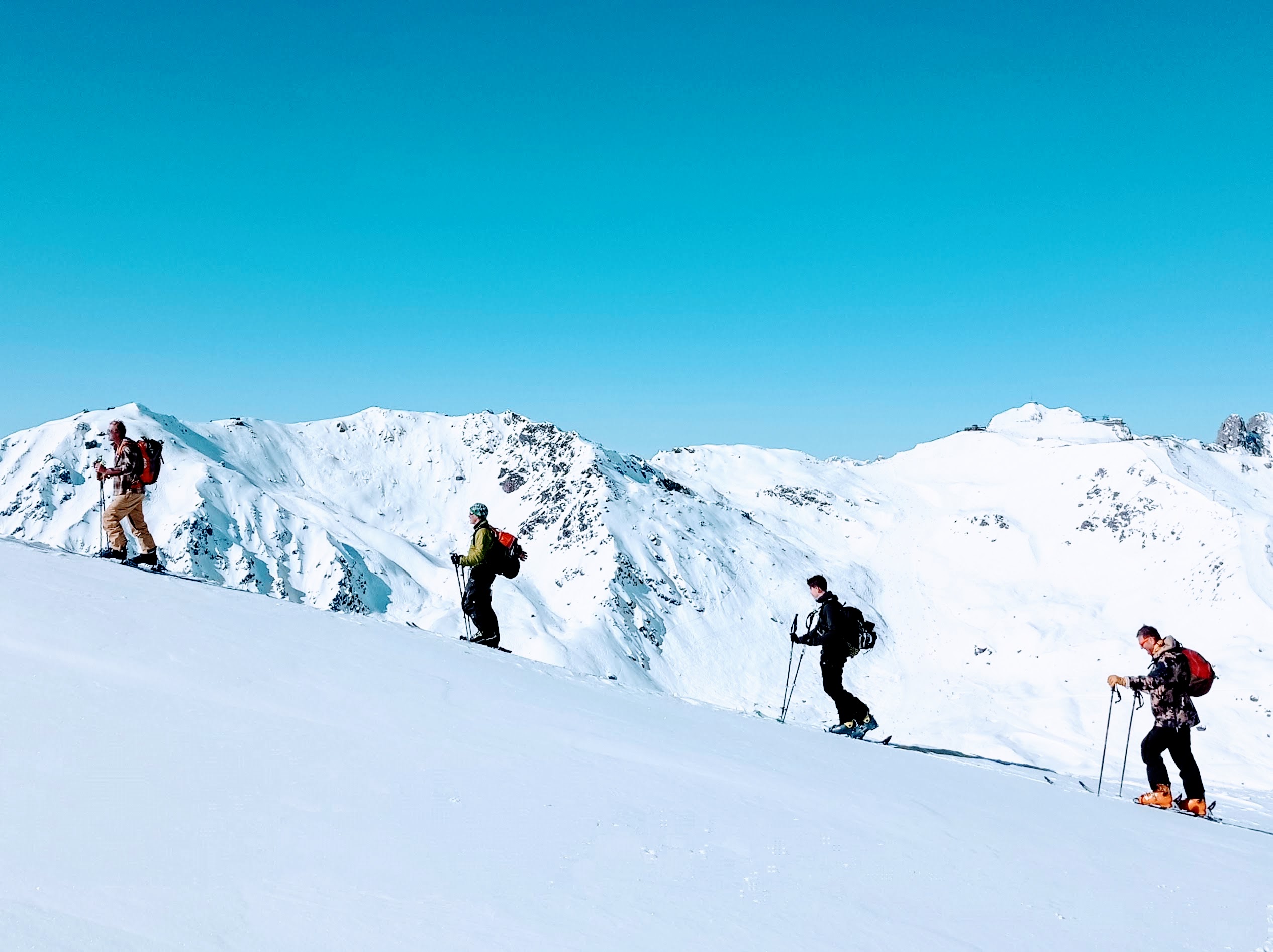
Maintenance matters too. Follow the care instructions and don’t leave your gear damp and forgotten at the bottom of a rucksack. If it’s an outer layer, clean it properly and reproof it at the end of each season, ideally using an eco-friendly, PFC-free treatment such as Grangers. It keeps the fabric performing and extends its life.
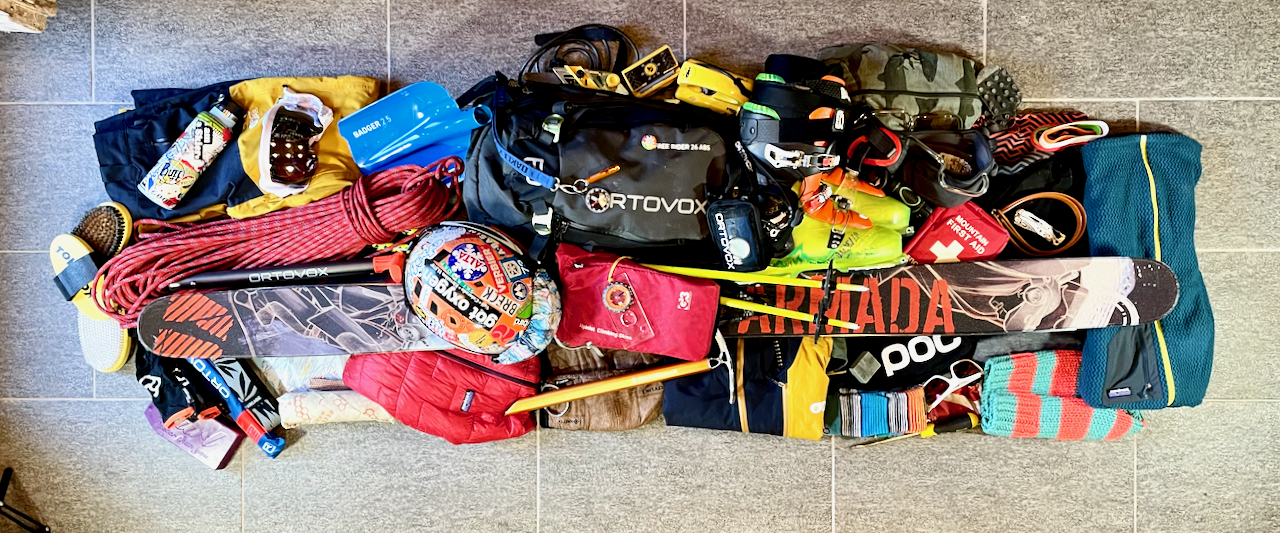
Over time, those repairs become part of the story. The scuffs, patches and marks aren’t flaws – they’re a record of good days on the mountain, smart decisions, and the occasional mishap that only improves the re-telling around the campfire. Gear that’s been used and looked after properly has a character that brand new kit never will – worn in, not worn out. And, that gear carries our stories, and stories matter, you just have to check out the Made to be Worn project to confirm that.
For bigger repairs, many reputable brands such as Patagonia, Mountain Equipment and Hestra offer repair services — something worth considering at the point of purchase. Alternatively, find a specialist who knows what they’re doing. Many garments can be brought back to life. There is also a growing network of independent repairers. If you’re based in the UK, the Community Repair Network is a good place to start: https://communityrepairnetwork.org.uk/find/
And, check out the Re-Action Collective to discover a growing global outdoor gear repair network.
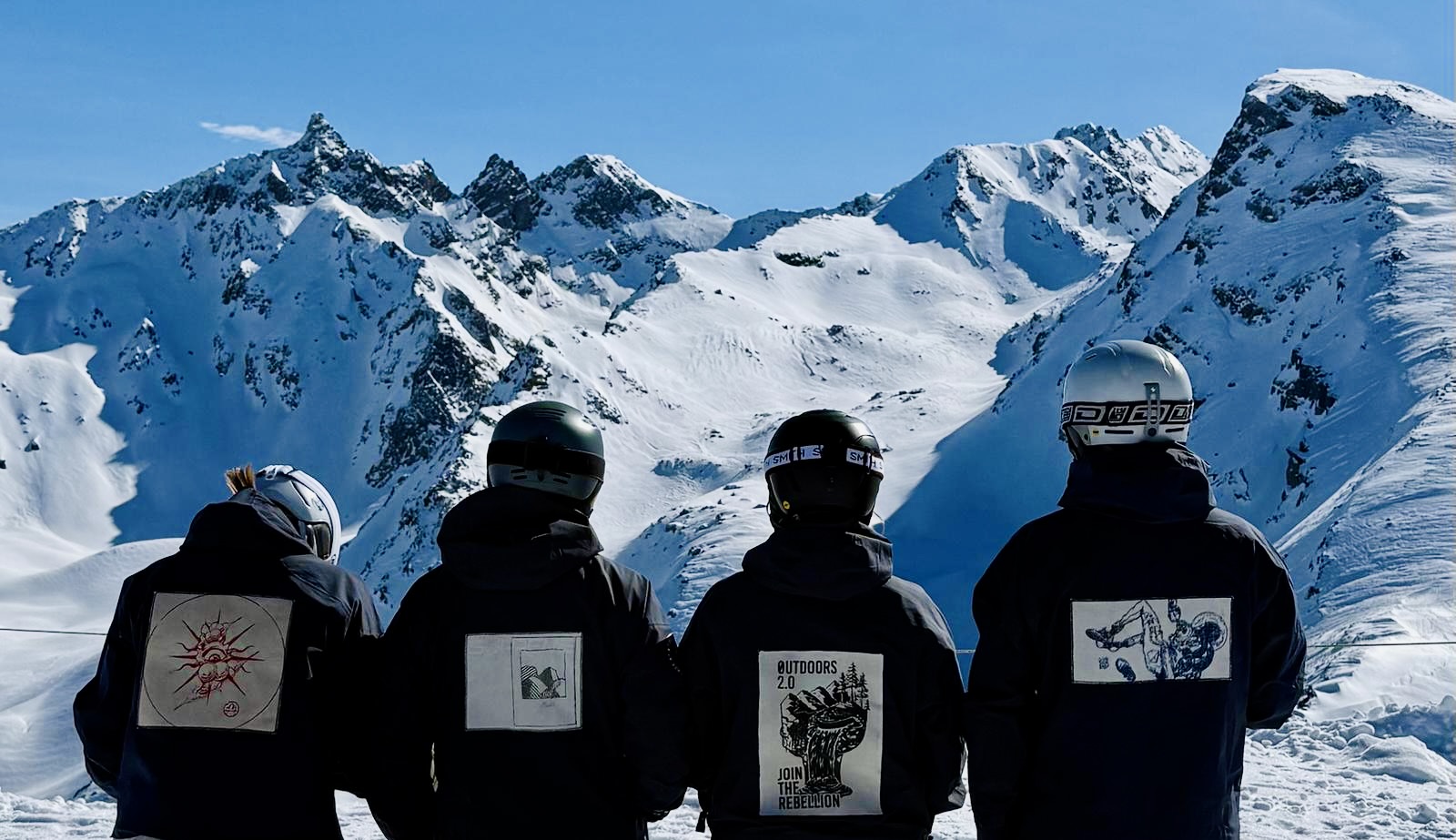
Kit that’s no longer getting used has no business sitting in a drawer. Pass it on — to a friend, a charity, or a clothes bank — and get it back outside where it belongs. FreeRide Republic’s free gear swap tool is an easy way to do the planet a favour and see if there’s someone out there who can make good use if it. If that doesn’t work, it’s worth seeking out specialist organisations who know how to rehome it properly: One Tree at a Time in Bozel, Montagne Verte in Morzine, and Outside in the UK are all good places to start.
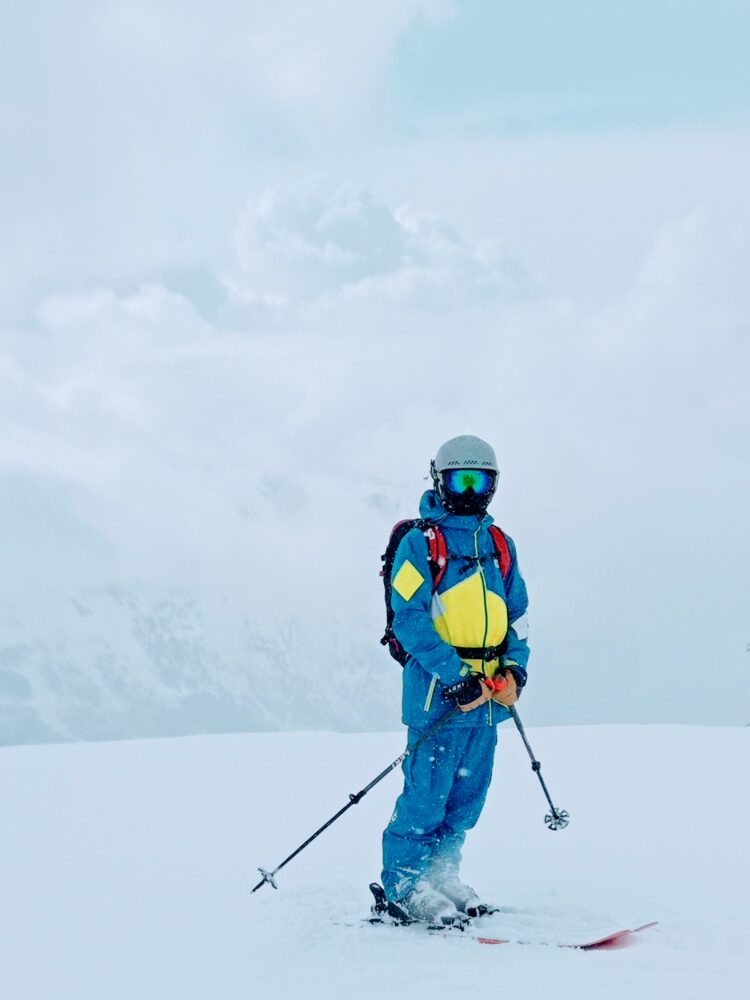
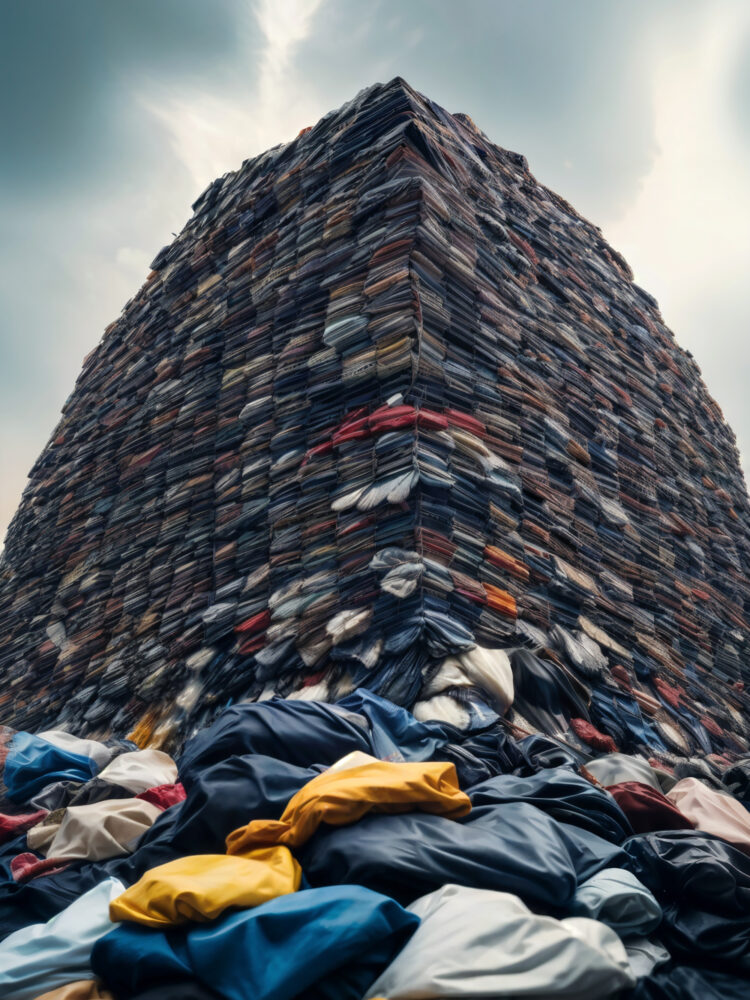
And when something really is beyond repair, don’t throw it away — you’re just adding to the landfill problem. Take it to a repair station. They’ll salvage what they can, from zips to usable fabric, and give it a second life in someone else’s gear.
Finally, when it’s time to invest in something new, consider pre-loved or second-hand options before assuming you need something with tags on. More often than not, you don’t.

Share This!
Explore the themes below to find the best home for the content you want to learn about: