

 14 Ridiculously Simple Ways to Get FreeRide Fit
Every autumn, ski magazines fill up with articles recommending gym memberships, personal trainers and complicated strength programmes.
They’re not wrong.
But they do assume you’ve got plenty of spare time, lots of disposable income and the motivation of an Olympic athlete.
Most of us haven’t.
The good news is that becoming a stronger rider doesn’t necessarily require expensive equipment or hours in the gym. In fact, many of the movements that matter most can be practised using things you already have at home.
A toilet.
A toothbrush.
A Mirror.
Even a couple of bottles of milk.
So here are fourteen ridiculously simple ways to arrive on the first day of your holiday feeling stronger, more balanced and ready to ride.
FreeRide fitness isn’t about looksmaxxing your social profile.
It’s about helping you:
Perhaps more importantly, it isn’t just about strength. It’s about movement. Balance. Coordination. Agility. Endurance. Being able to react instinctively when the terrain, the snow (or your buddies) do something unexpected.
The best time to start preparing isn’t the night before your flight.
It’s today.
Your quadriceps, glutes and hamstrings work hard every time you ride. These exercises build strength where you’ll notice it most.
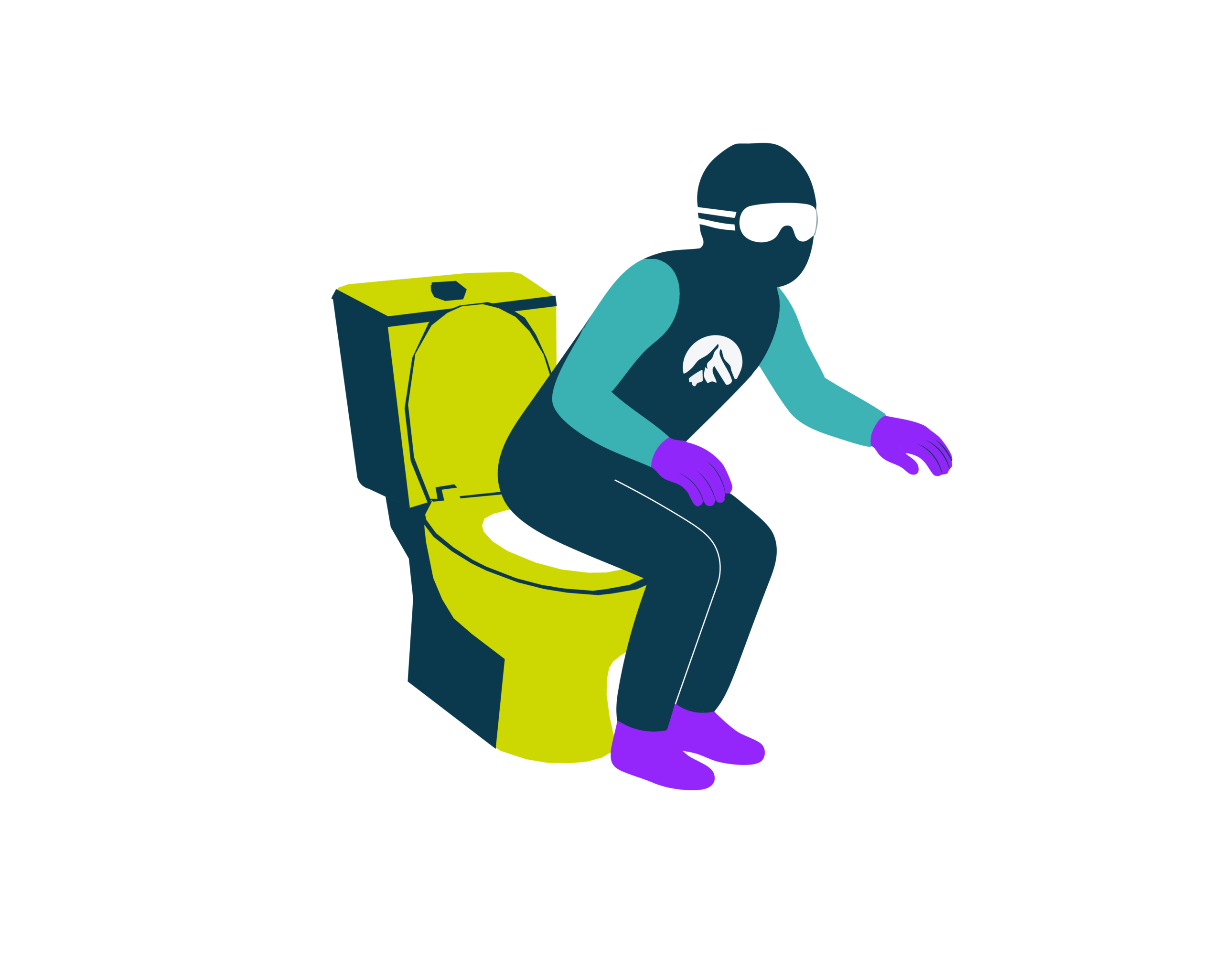
You’ll need: A toilet.
Whenever nature calls, don’t sit down.
Lower yourself slowly into position, do whatever number it is that you need to do, then stand back up under control.
It sounds ridiculous.
It works.
Why it helps
Added bonus
Never fear being caught short in the mountains again.
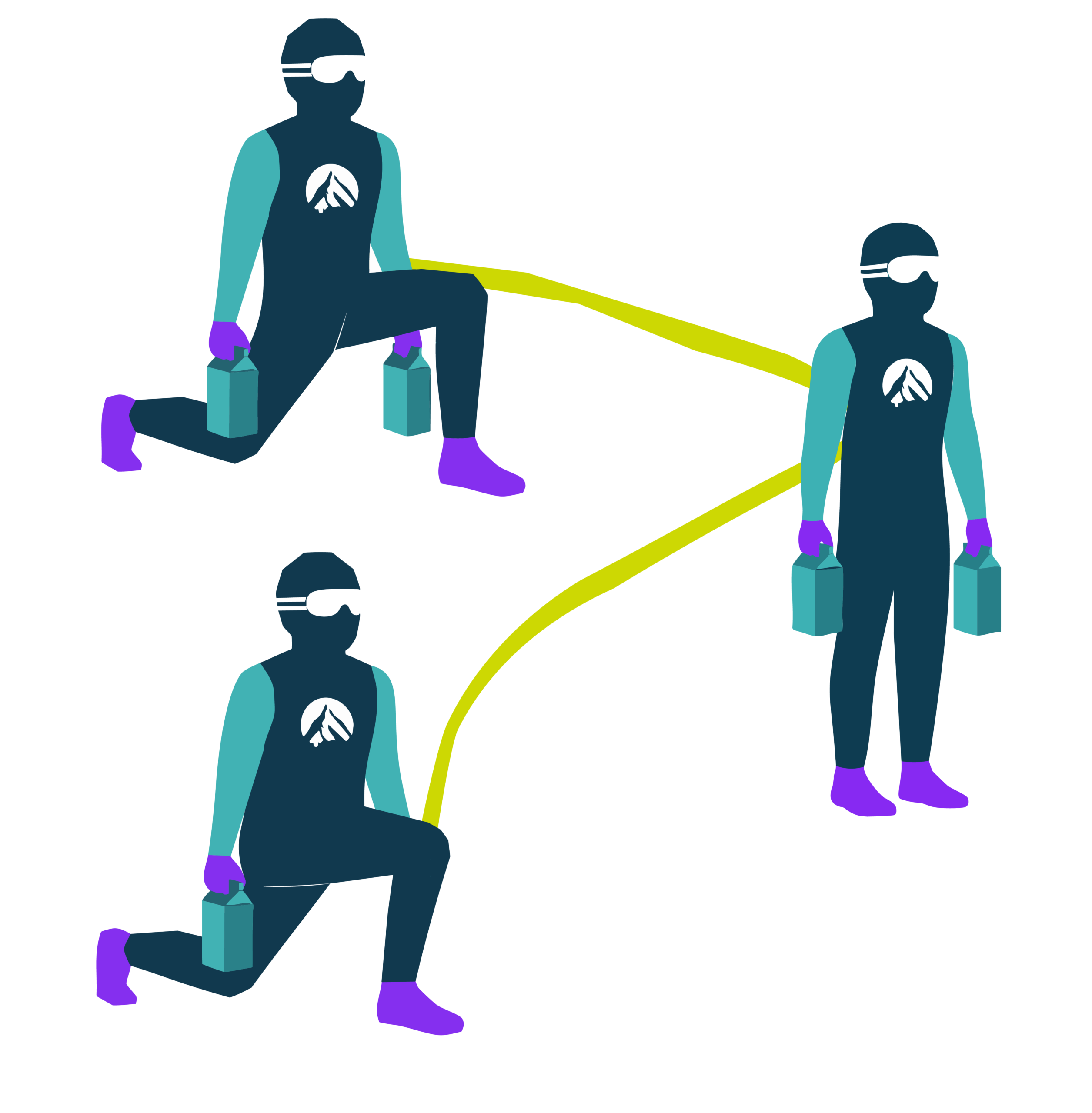
You’ll need: Two 2-pint milk cartons (or similar).
Hold one in each hand and perform controlled forward lunges while the kettle boils or until your front leg starts questioning your life choices.
Swap legs.
Why it helps
Added bonus
Healthy bones and teeth.
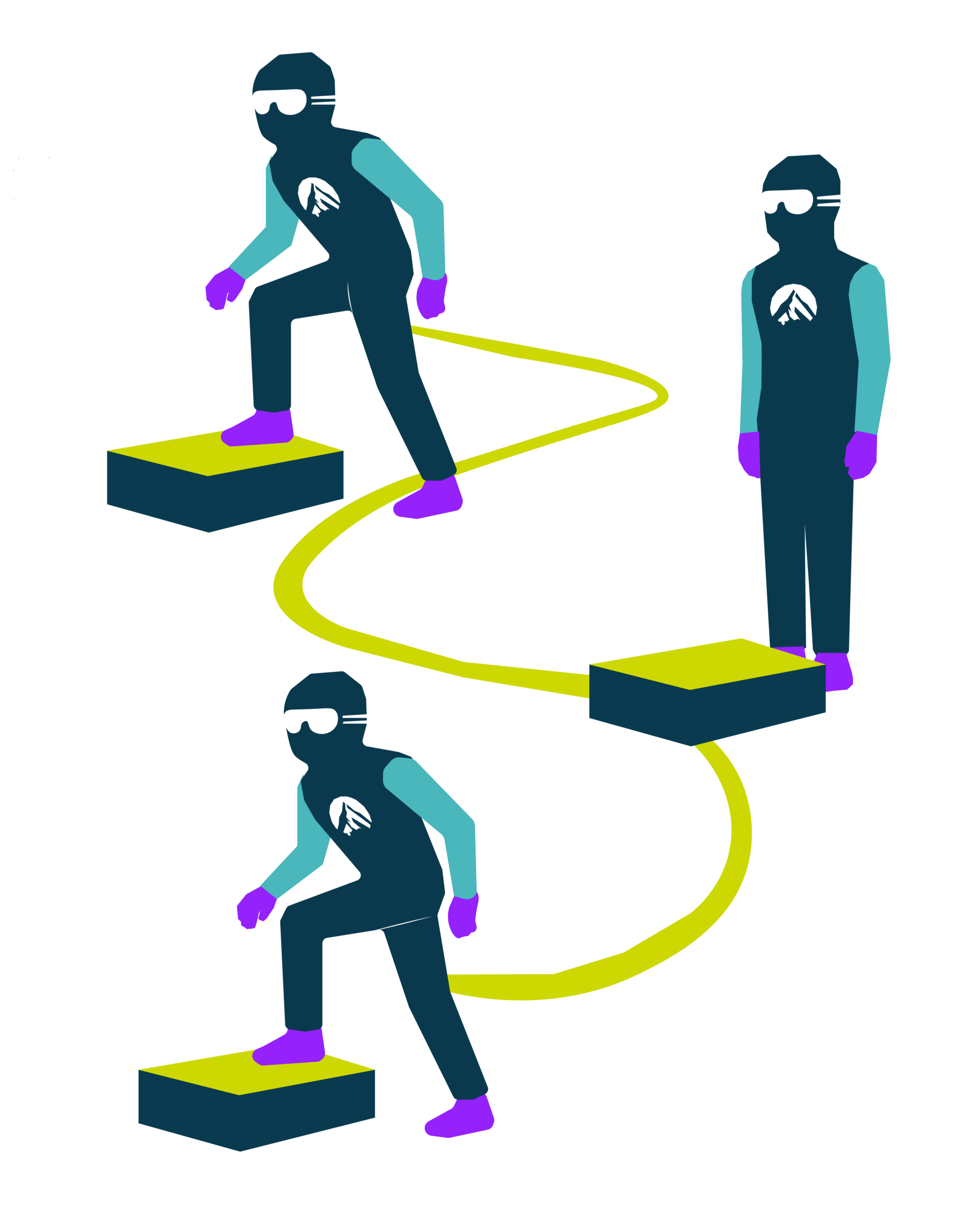
You’ll need: A step.
Step up leading with your right foot twenty times.
Repeat with your left.
Simple.
Effective.
Why it helps
Added bonus
Just one step at a time.
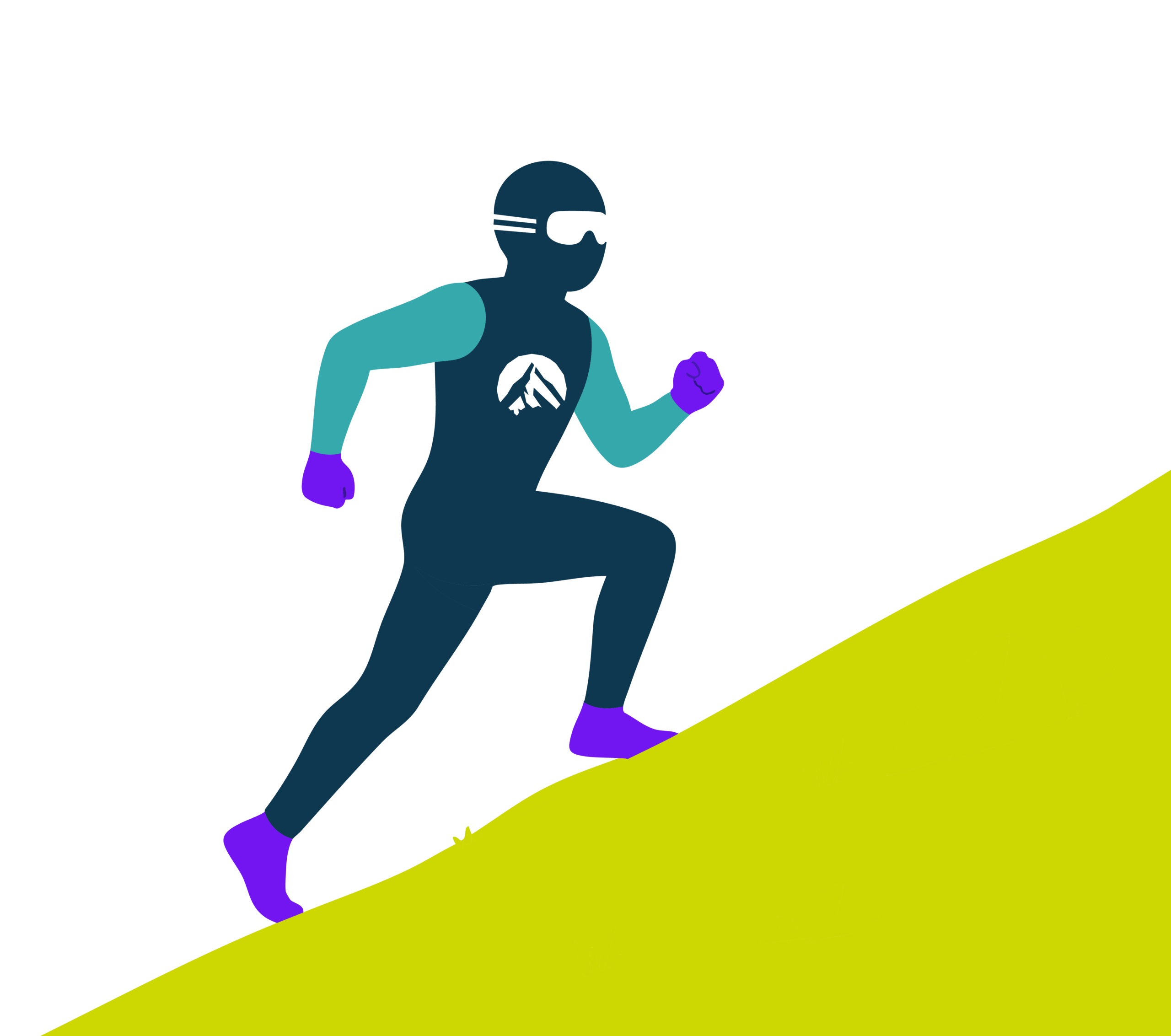
You’ll need: A hill.
Jog there – take it easy, this is your warm up.
Sprint uphill until your legs turn to jelly. (If you’ve ever skied bumps, you’ll recognise the feeling.)
Take another ten paces (if you can)
Walk back down.
Repeat six times.
Why it helps
Added bonus
Amazing buns.
So much of FreeRide is about balance and stability. These exercises improve both without you really noticing.
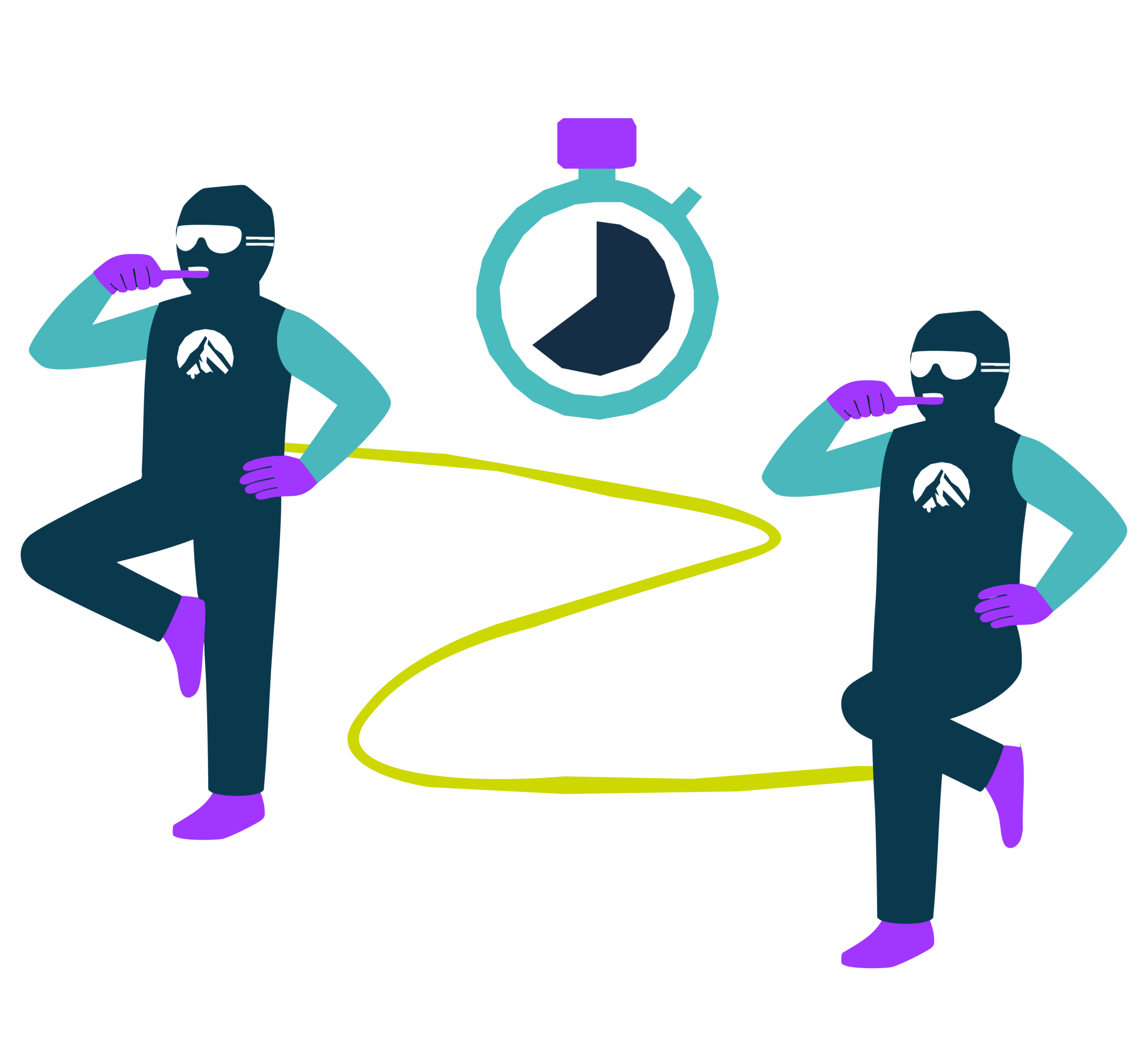
You’ll need: A toothbrush.
Stand on one leg while brushing your teeth.
Swap legs halfway through.
Two minutes.
Twice a day.
That’s over 20 hours of balance practice every year!
Why it helps
Added bonus
Clean teeth. Fresh breath. Beautiful smile.
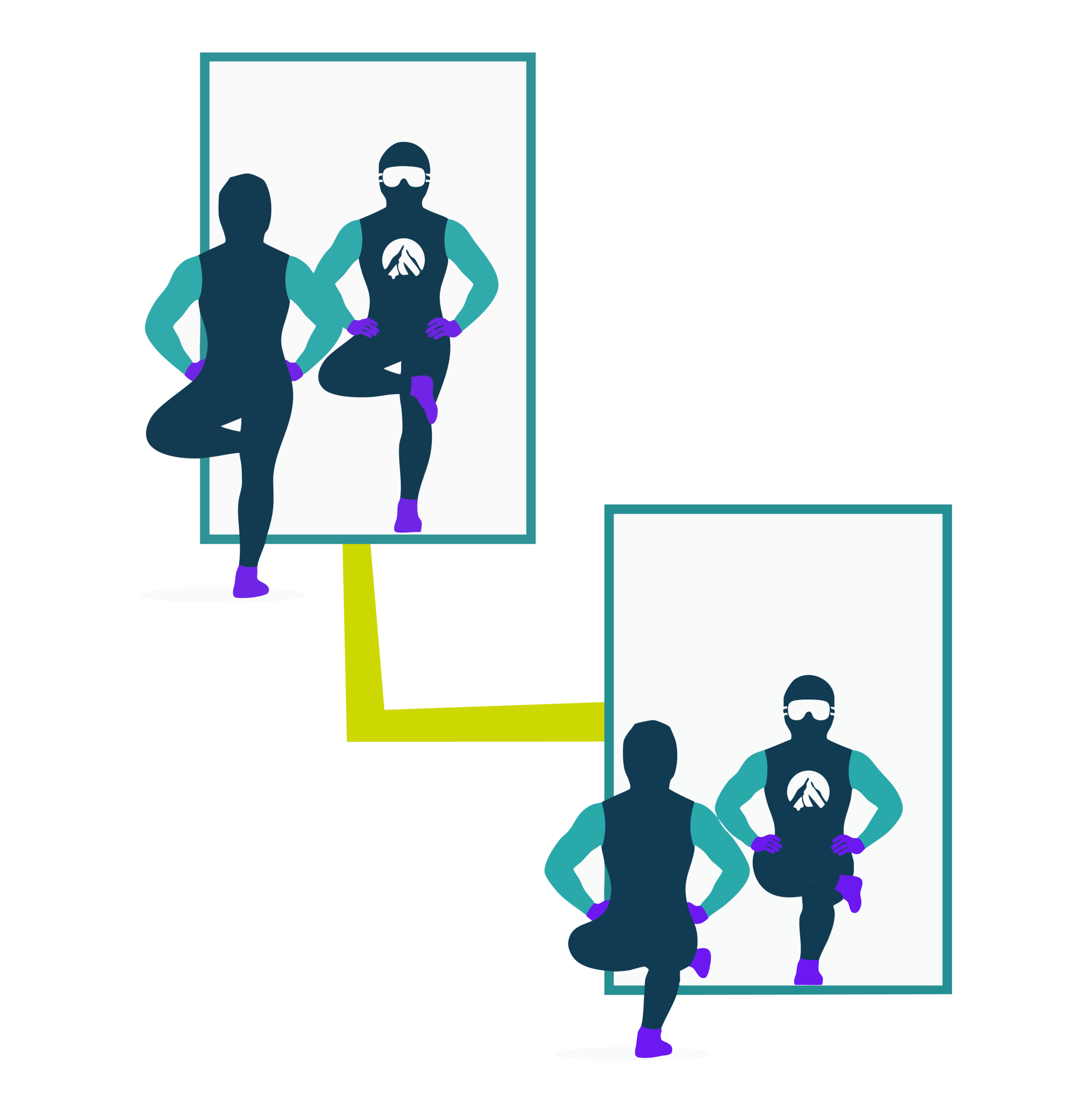
Stand on one leg in front of a mirror.
Keeping your ankle, knee and hip aligned squat as low as you dare.
The mirror gives instant feedback if your knee starts wandering.
Added bonus
Guilt-free narcissism.
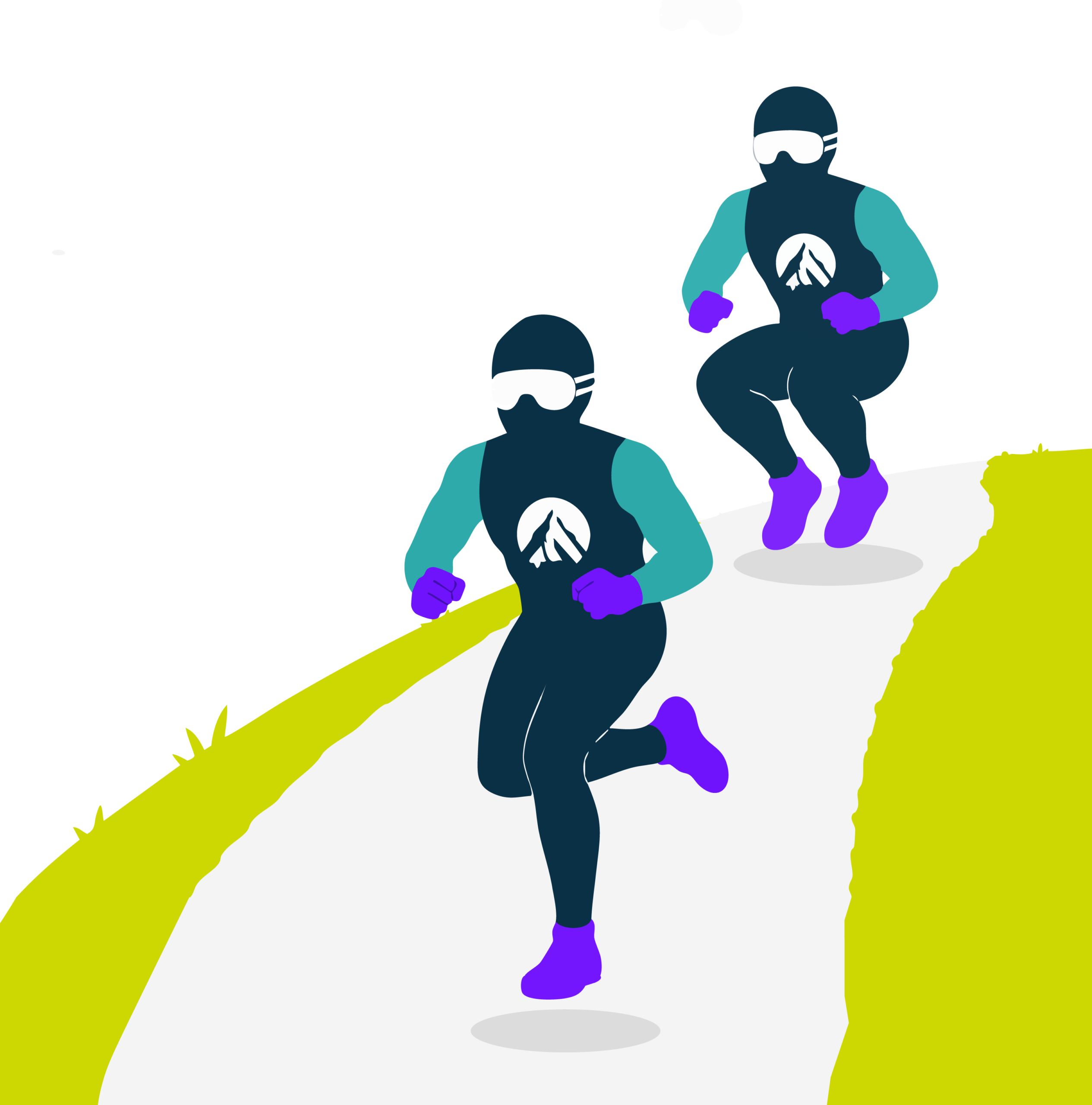
Adopt your riding stance. Hop down the path on two feet.
Return on your right leg.
Repeat on your left.
Keep going until your heart, lungs and legs all start negotiating.
Simple.
Brutal.
Added bonus
Release your inner seven year old, without the chalk.
Bumps, trees and technical terrain all demand quick, explosive movements to initiate changes of direction.
These exercises help develop exactly that.
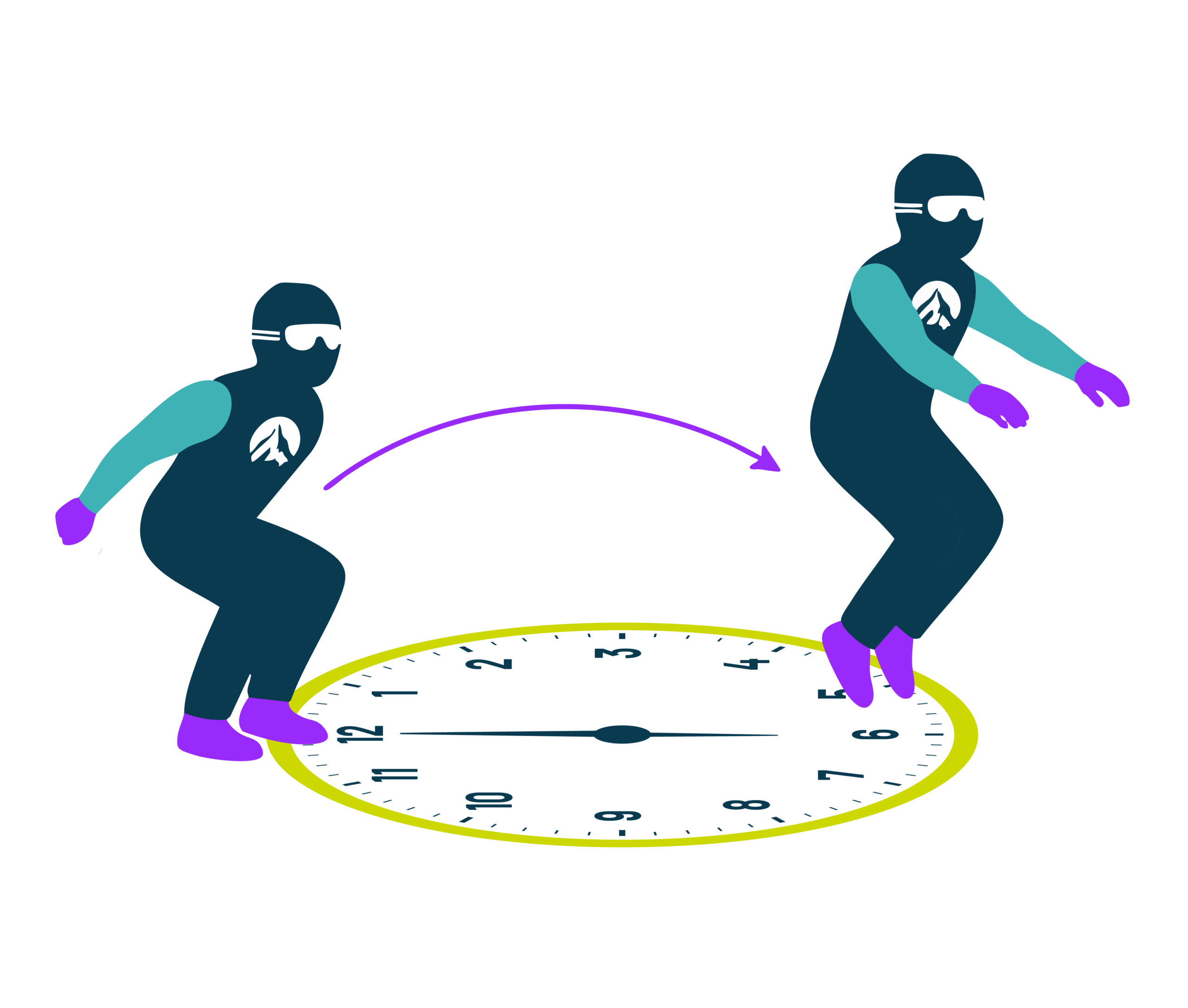
Imagine you’ve adopted your riding stance on the face of a giant clock.
Jump, two footed, from:
Keep your ski stance throughout.
Added bonus
Time travel.
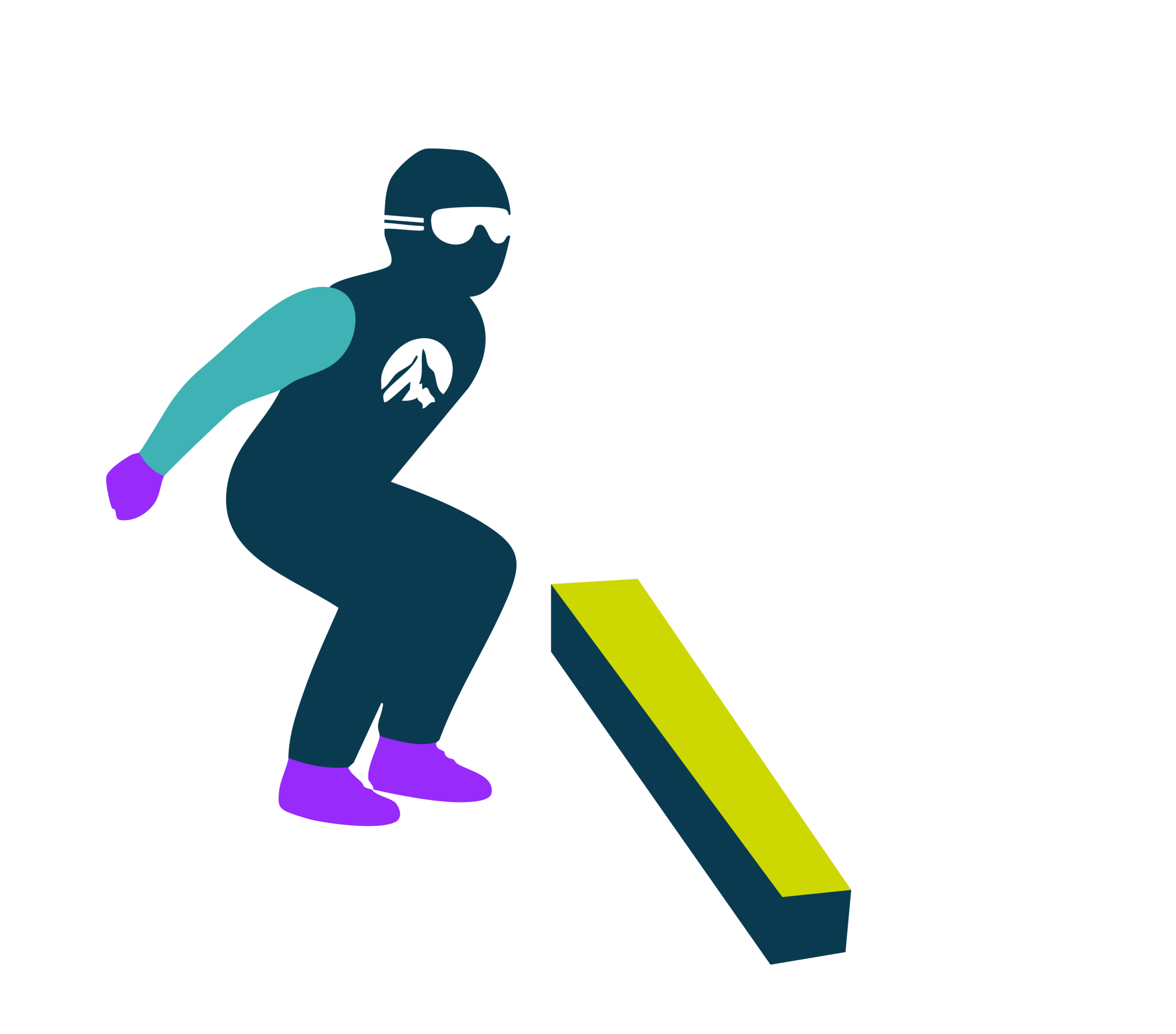
Find a kerb – only not on a busy road.
Adopt your ski stance.
Jump on.
Jump off.
Repeat 20 times
Keep the movements smooth and controlled.
Added bonus
Plyometrics funded by your local council.
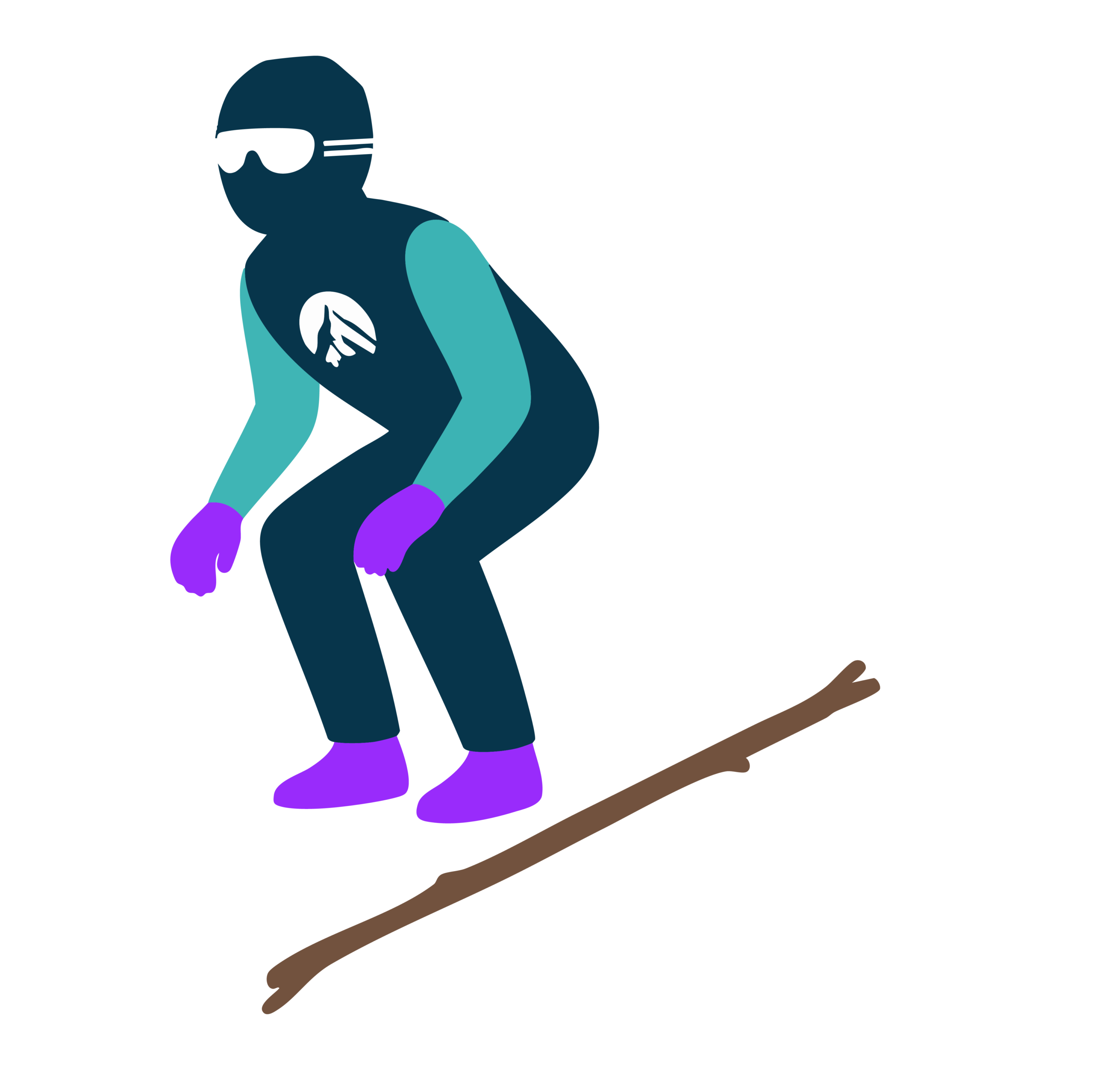
Place a stick on the ground.
Jump, two footed, side to side.
Stay up on your toes and light on your feet.
Added bonus
Aids fertility… according to ancient Celtic ritual.
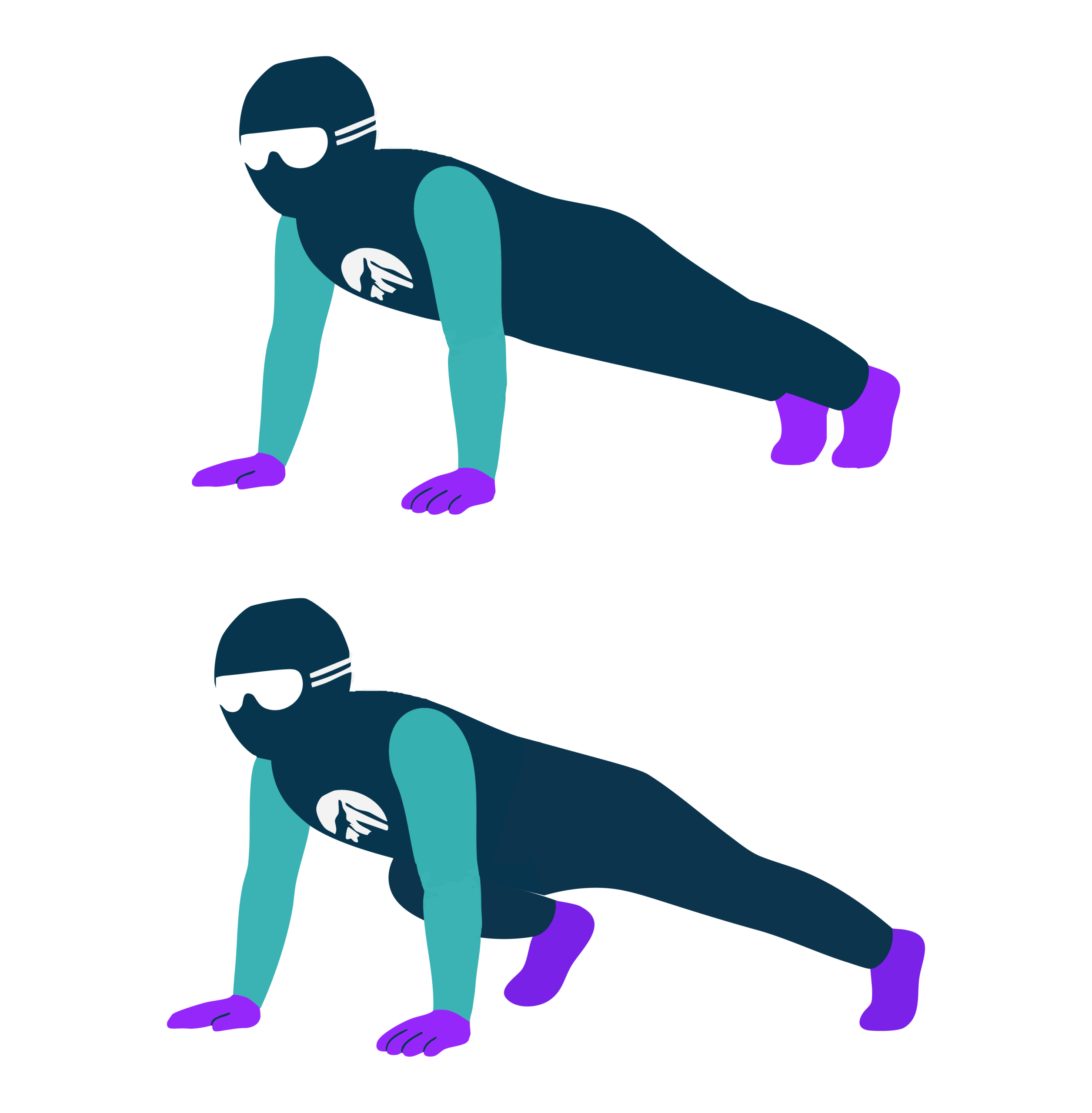
No mountain required. You just need to show up.
Start in the press-up (plank) position with your hands slightly wider than your shoulders and your body in a straight line.
Draw your right knee towards your chest, then return it to the start position as you bring your left knee forward.
Continue alternating legs in a smooth, running motion, keeping your hips as level as possible.
Once you’ve nailed the technique, increase the pace.
Why it helps:
Added bonus
Base camp is your living room.
Fatigue is rarely a great performance coach. Building endurance will help you make good decisions at 3pm and reduce your risk of injury.
Jog for a 30 count
Run for a 20 count
Sprint for a 10 count
Repeat five more times.
Rest for 2 minutes.
Do it all again.
It’s one of the simplest ways to prepare for repeated high-intensity efforts on snow and lowers blood pressure and cholesterol too.
Added bonus
Outrun your cardiologist.
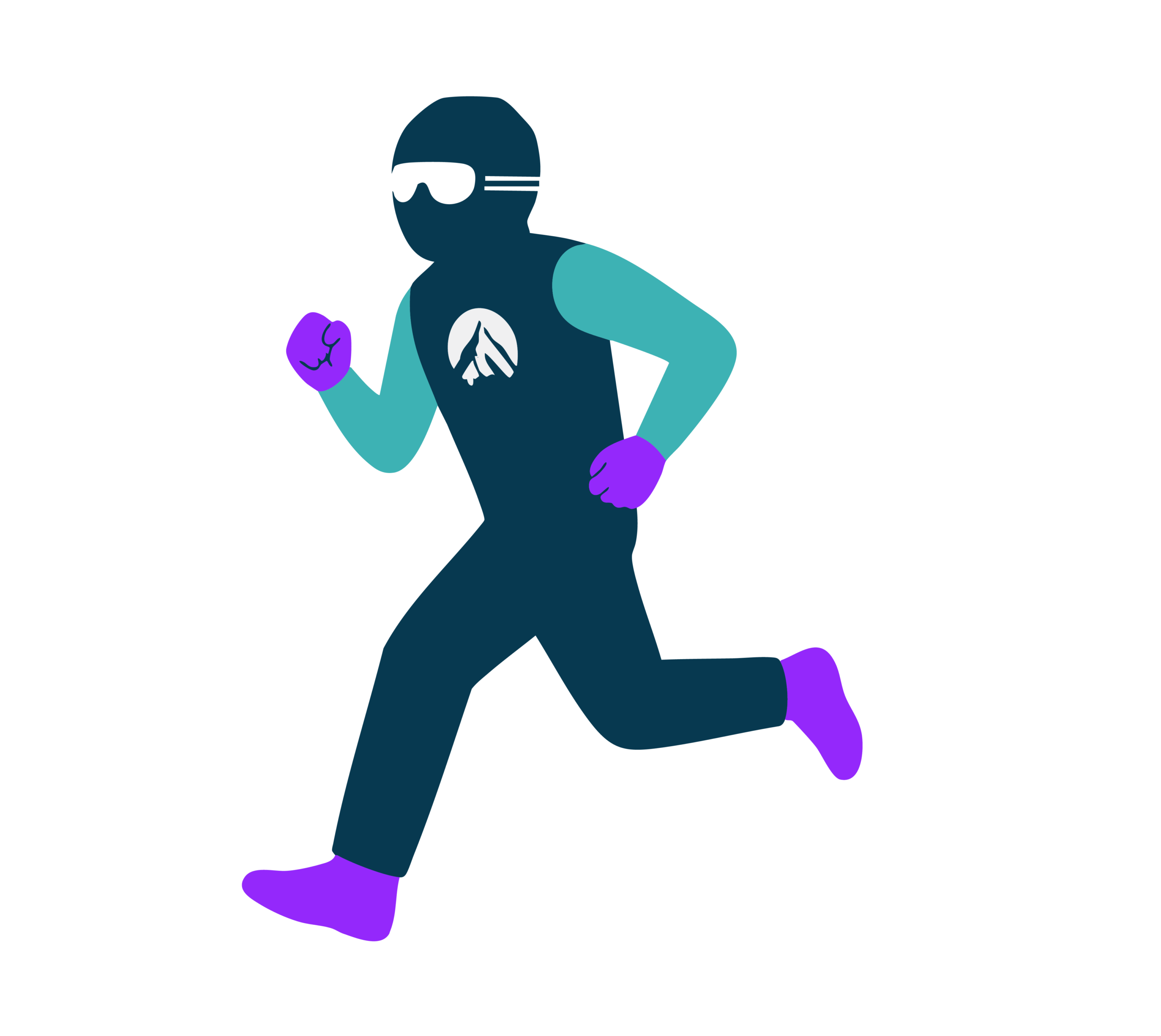
Complete 100 jumps.
Rest for a 20 count
Repeat 10 times.
Every time you snag the rope, add another five jumps.
You’ll improve surprisingly quickly.
Added bonus
Hum the Rocky theme tune. In your head. Not out loud.
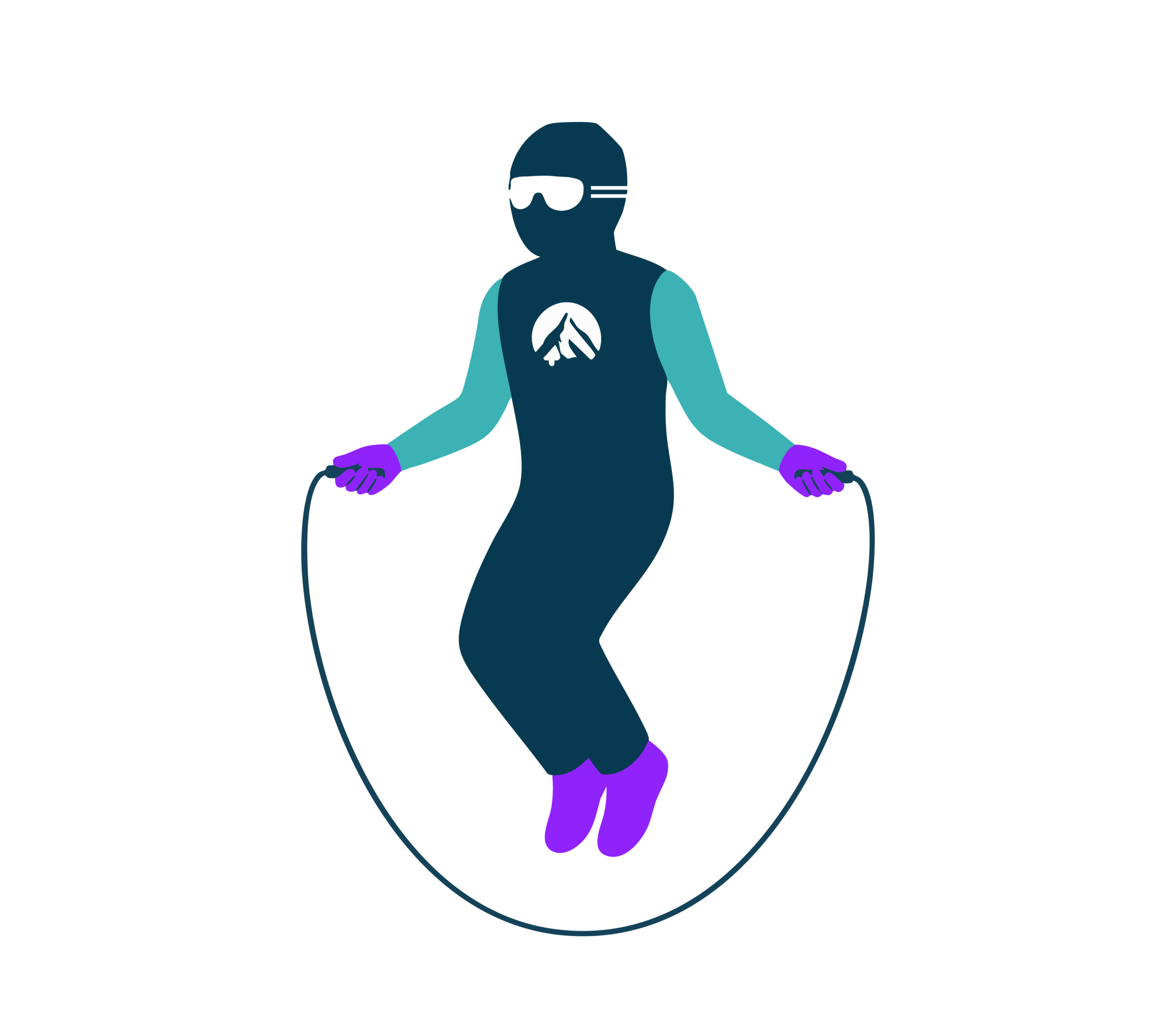
Adopt your ski stance.
Stand on your carpet (it doesn’t need to be magic) and adopt your riding stance.
Why it helps
Added bonus:
Impress the cat. Confuse the dog.
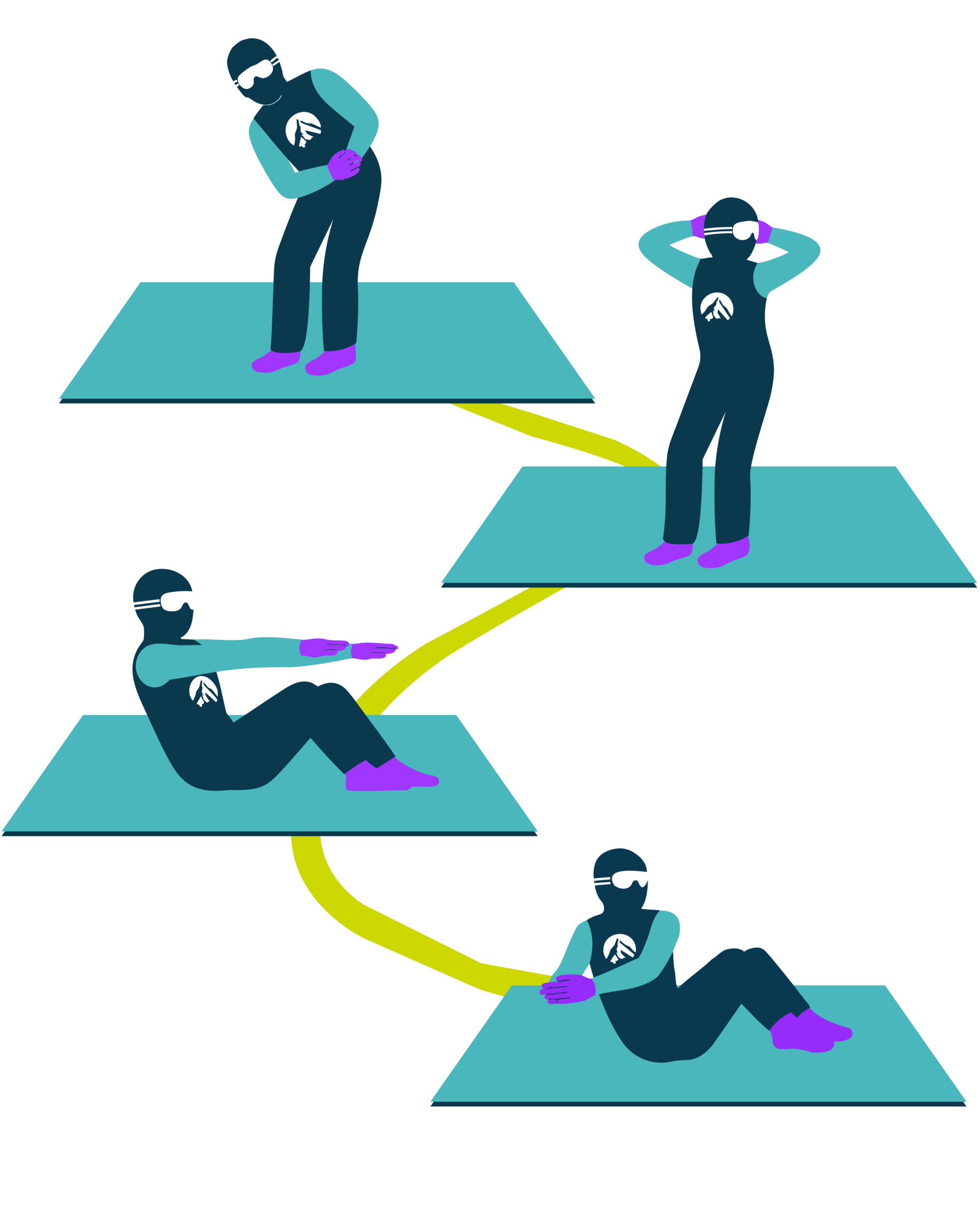
You don’t need to train like an elite athlete to get more from your FreeRide.
Doing one hundred squats the night before your holiday won’t make much difference.
Doing a handful of simple exercises several times a week for six weeks almost certainly will.
Most of the ideas in this article take less than five minutes. Many can be built into your daily routine without finding extra time or spending extra money.
And perhaps that’s the biggest takeaway.
FreeRide fitness is mostly about movement – what the boffins call bio-mechanics.
Lore #09: Train Hard, Ride Easy
Put in the legwork and you’ll have fun when the snow falls deep.
Explore the themes below to find the best home for the content you want to learn about: