

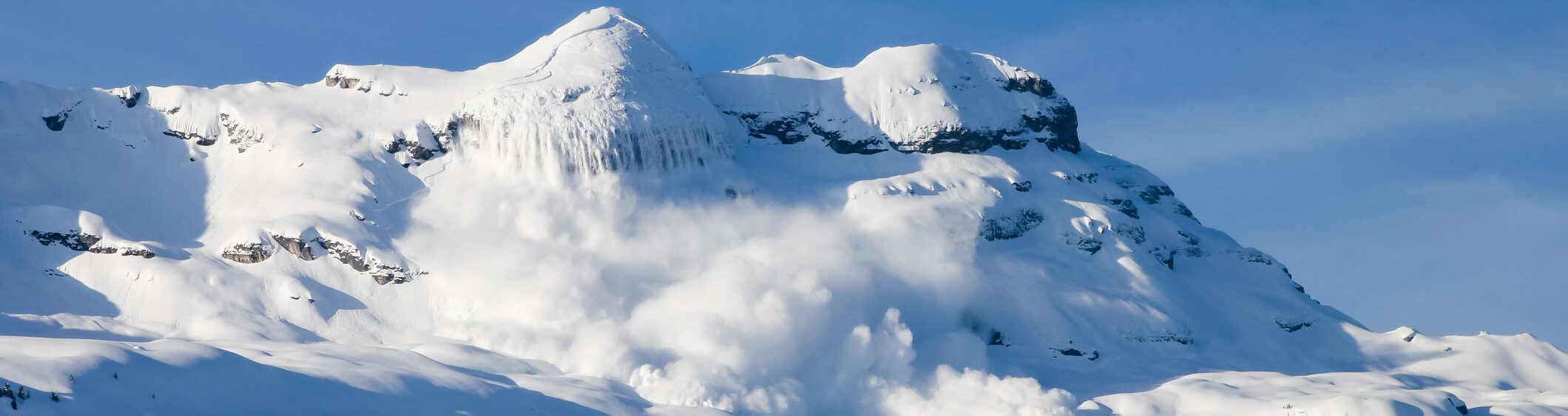
 Avalanche Deaths Aren’t Just About Snow
Avalanche Deaths Aren’t Just About Snow – They’re About Us
France. Spain. Italy. Andorra. Austria. Slovakia. Slovenia. 32 avalanche deaths across these seven Alpine countries already in the 25/26 season.
This article forms part of ongoing academic research at the University of St Andrews examining both the human and physical factors behind avalanche risk and decision-making in the European Alps.
Every winter, the same question gets asked: What was the snowpack doing?
But maybe it’s time we start asking a harder one: what were we doing?
Despite decades of progress in forecasting, equipment and mitigation, avalanche fatalities continue to occur, particularly in uncontrolled, unpatrolled backcountry terrain. Recent research shows that while deaths in settlements and transport corridors have dropped dramatically, up to 97% of avalanche fatalities now occur in the backcountry. Not because the mountains are new but because our relationship with them has changed.
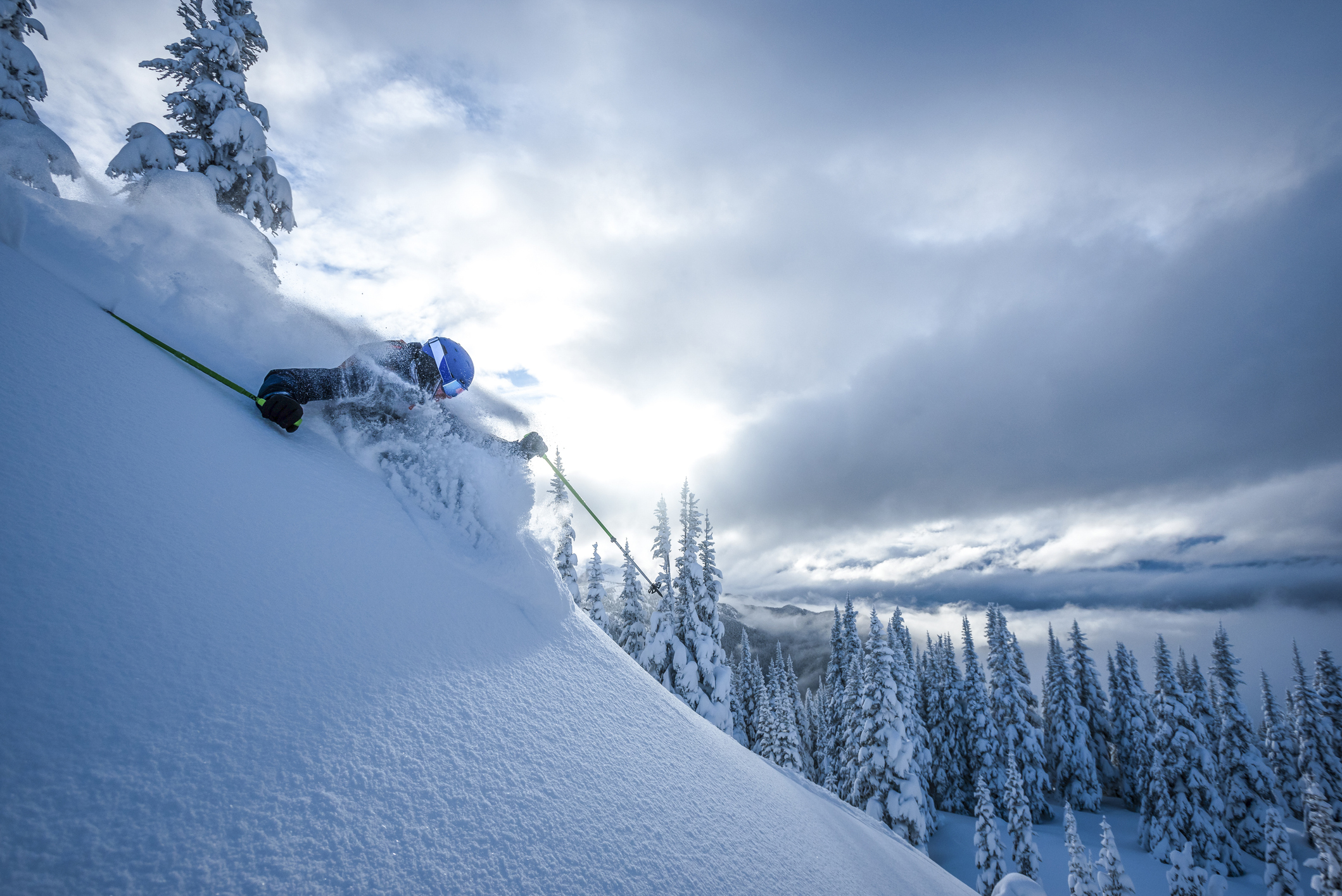
Backcountry skiing, splitboarding, freeride touring – access has never been easier. Lifts go higher, gear gets lighter, information travels faster. Yet the patterns behind avalanche incidents remain stubbornly familiar.
Why? Because avalanches are not just physical events. They are human events.
Research increasingly points to human factors as the primary driver behind avalanche fatalities: heuristic traps, familiarity, social pressure, goal fixation, and the quiet confidence that creeps in when terrain looks safe – or did it just feel safe last time?
Tracks don’t mean stability. Blue skies don’t mean safety. Experience doesn’t mean immunity. And yet, avalanche education still leans heavily toward snow science, terrain traps, and weather cues – essential tools, yes – but often at the expense of the behavioural patterns that lead us into trouble.
Climate variability adds another layer of complexity. Warmer temperatures, shifting precipitation patterns, and fewer snow days at lower elevations are reshaping avalanche conditions across the Alps. Snowpacks are becoming more variable, less predictable, and harder to “read” using old rules.
At the same time, more people are heading into the backcountry, often with mixed experience levels, strong visual influences from social media, and growing confidence in technology.
The result? New risk profiles but old decision-making habits.
Avalanche fatalities are declining overall, but we still don’t fully understand why, nor do we understand the year-on-year variability regarding these statistics. That makes this moment critical. There is a narrow window to learn what’s working, what isn’t, and how education, communication, and self-assessment need to evolve.
Understanding how people perceive risk, how they make decisions in familiar terrain, and how group dynamics influence behaviour could help reduce preventable deaths, not through fear, but through better awareness.
If you recreate in avalanche terrain – whether you ski, snowboard, tour or guide – your experience matters.
This anonymous survey supports academic research at the University of St Andrews into the human factors behind avalanche risk in the European Alps. It takes just a few minutes and contributes to improving how we talk about, teach, and manage risk in the mountains.
https://standrews.eu.qualtrics.com/jfe/form/SV_3DZBtzv2Ys3oYbc
Because the next step in avalanche safety isn’t just understanding the snow. It’s understanding ourselves.
Explore the themes below to find the best home for the content you want to learn about: