




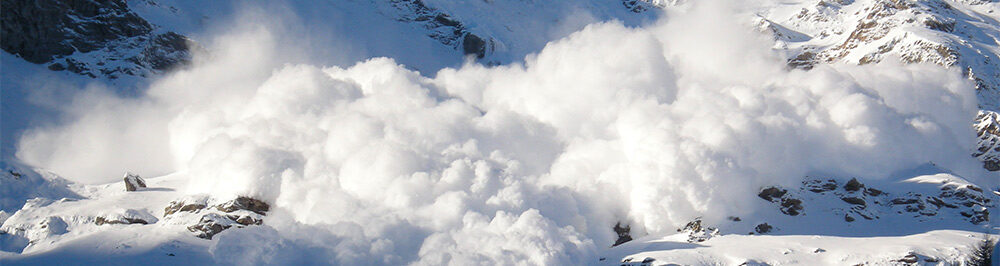
 Research, Risk and the Reality of Avalanche Terrain
This winter, FreeRide Republic was pleased to support Ani, a FreeRide Republic regular, and the University of St Andrews in research exploring how riders perceive avalanche risk in the European Alps.

The study examined an uncomfortable but important question: despite growing awareness of avalanche danger and widespread use of rescue equipment, why do serious incidents and fatalities continue to occur?
Some of the findings felt very familiar to us.
One recurring theme throughout the research was the gap between knowledge and behaviour. Many riders regularly check avalanche bulletins, carry avalanche rescue equipment and understand the basics of avalanche safety, yet still struggle with risk perception and decision-making once exposed to real terrain, social dynamics and changing conditions.
The research also highlighted something we’ve spoken about repeatedly within FreeRide Republic this season: avalanche terrain is a “wicked learning environment”. Most poor decisions are not immediately punished. Riders can make the wrong call many times before consequences finally arrive. Familiar terrain, previous success and the absence of visible avalanche activity can all create a false sense of security and reinforce complacency. Or as Henry’s Avalanche Talk describes it; Nothing happens… most of the time.
Perhaps most interestingly, the dissertation explored the language we use around avalanche equipment itself.
Transceivers, shovels and probes are often described as “safety equipment”, despite the fact they do not prevent avalanches. Their role is rescue, not protection. The study found this distinction matters because equipment ownership does not necessarily translate into rescue readiness.
That resonates strongly with our own experiences running free weekly avalanche rescue practice sessions in Les Trois Vallées this winter.
Almost everyone we met carried a transceiver. Far fewer had regularly practised realistic rescue scenarios under time pressure with their group. In some cases, riders had not used their equipment since completing a course weeks, months or even years earlier.
One phrase we kept returning to throughout the season was:
“Think like a first responder, not a victim.”
Avalanche rescue equipment is about collective responsibility and a rescue mindset, not individual survival.
That idea sits at the heart of what we’re trying to encourage through repeated practice, shared learning and responsible community-led FreeRiding.
We’d like to thank Ani and the University of St Andrews for allowing us to share this research. It asks important questions about culture, complacency, risk and responsibility in the mountains; conversations we believe the FreeRide community needs to continue having openly and honestly.
You can read the full dissertation here.
Explore the themes below to find the best home for the content you want to learn about:
