


 Avalanche Snow Problems Explained: What’s Unstable, Where, and Why It Matters
Avalanche forecasts tell you where the danger is – aspect and elevation.
Snow problems tell you why: what’s unstable, where it’s hiding, and how it’s likely to bite.
Knowledge is power. Learn these snow problems and you stop reacting to surprises. Miss them, and the mountain starts making decisions for you.
“Fresh snow, fresh problems”
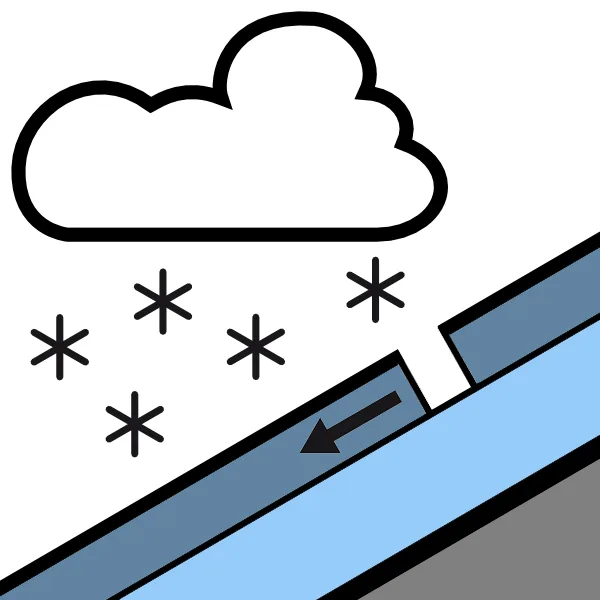
What’s going on
It looks amazing. Fresh powder, high stoke. But the new snow hasn’t bonded to the old snowpack yet. Until it settles, it’s essentially an avalanche waiting to happen.
Where it lives
Everywhere – all aspects, all elevations.
How it fails
Loose snow avalanches and soft slabs. On steeper slopes (45°+), sluffs may run naturally, but new snow can be so unstable that a single rider can trigger avalanches on slopes over 30°.
Classic clues
Recent snowfall, poor visibility, natural avalanches during or just after the storm.
Rider reality
Don’t be fooled – new snow is not your friend.
How we manage it
Give it a day (or two). Let it settle. Dial back slope angle. Terrain choice matters more than stoke.
“The invisible problem”
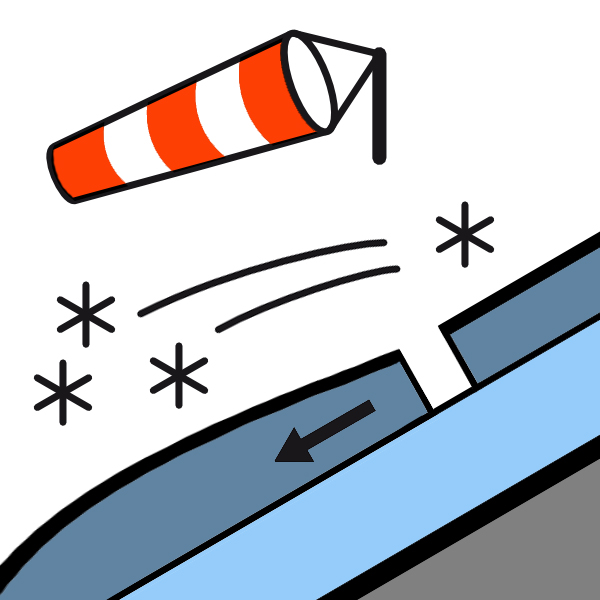
What’s going on
Wind has moved snow and stacked it into unstable slabs where it doesn’t belong. On slopes under 30° it can be super fun but above 30° it can quickly turn deadly.
Where it lives
Leeward (downwind) slopes, gullies, bowls, just below ridges – pretty much everywhere you want to ride above the treeline.
How it fails
Hard or soft slabs that crack and shoot with very little warning.
Classic clues
Wind textured snow (think classic sand dune) , cracks and cracking underfoot, “whumpfing” sounds (if you’re unlucky).
Rider reality
Wind slab often looks (and feels) good right up until it breaks. If the last snowfall came in on winds over 15 km/h (which it does most of the time), treat leeward slopes over 30° as highly suspect.
How we manage it
Avoid drifted snow and leeward aspects over 30°. If it feels stiff or hollow, trust that instinct.
“The long memory problem”
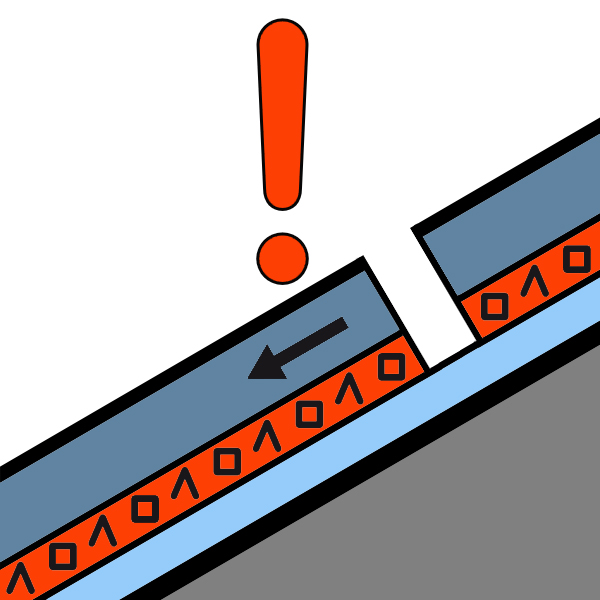
What’s going on
Old weak snow often buried deep in the snowpack – facets, depth hoar, surface hoar – waiting weeks, even months, before it collapses creating a domino effect under the snow and triggering a slide.
Where it lives
Often shady, sheltered slopes. Can be widespread or frustratingly isolated.
How it fails
Large (sometimes very large) slabs, remotely triggered – including by riders, big (sometimes very big) consequences.
Classic clues
Sometimes none. Sometimes whumpfs. Snowpack history matters more than what you see today. Consult the avalanche bulletin or dig a pit (sometimes both).
Rider reality
Persistent weak layers are responsible for a disproportionate number of fatalities. They often feel “fine” – right up until the moment they aren’t.
How we manage it
Know your snowpack history. Avoid consequential terrain where burial would be deep. When in doubt, ride easy.
“Timing is everything”
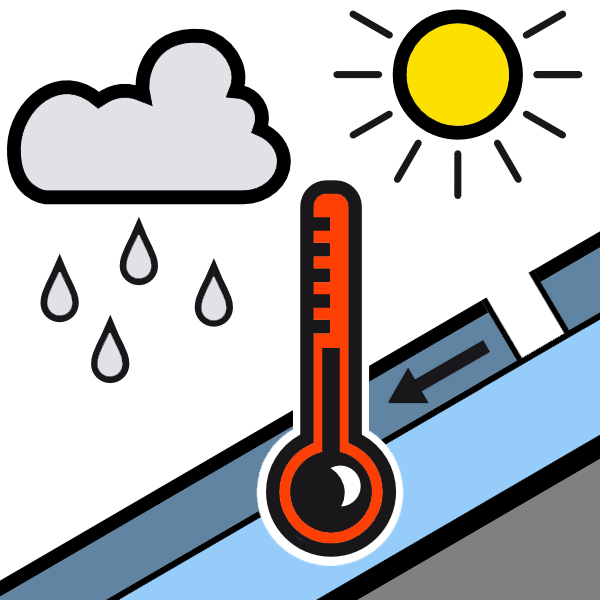
What’s going on
Melt or rain puts water into the snowpack and destroys strength and stability.
Where it lives
Common in early and late season. Solar affected aspects always go first. Everywhere if it’s freakin’ raining.
How it fails
Loose wet slides or full-depth wet slabs – usually natural.
Classic clues
Pinwheels, snowballing, deep ski penetration, rain on snow.
Rider reality
If you’ve ever seen wet avalanche debris, you know it’s not something you want to be anywhere near.
How we manage it
Early starts, early exits, especially in spring. Avoid sun drenched aspects and avalanche runouts once the snow starts to lose strength.
“The unpredictable one”

What’s going on
The entire snowpack slides on smooth ground – grass or rock.
Where it lives
Smooth slopes, often sunny, any aspect.
How it fails
Full-depth glide avalanches. Almost impossible to predict.
Classic clues
Glide cracks and whale mouths (gueules de baleine) but absence means nothing.
Rider reality
The snow problem is not the snow but what’s beneath it.
How we manage it
If possible, observe the terrain in the summer months (or consult satellite imagery). Avoid glide cracks or areas where glide cracks are habitual
“The other hangover issue”
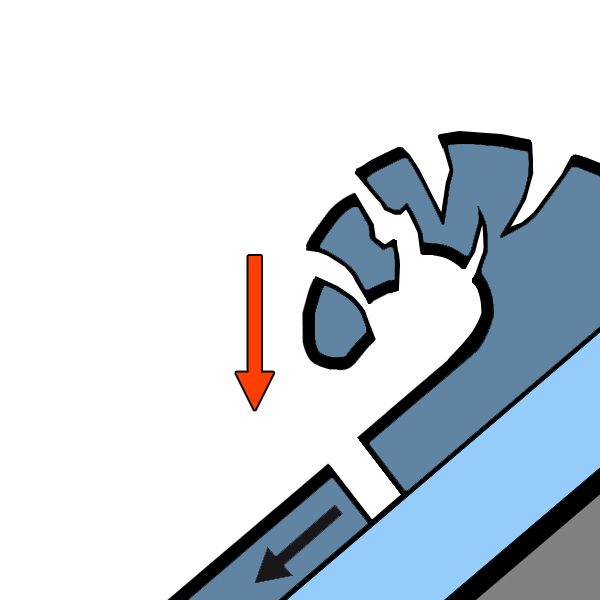
What’s going on
Wind-drifted snow hanging off ridgelines, often bigger than it looks.
Why they matter
When they collapse they often trigger avalanches below – sometimes huge ones.
Rider reality
They break further back than you expect. Regularly…
How we manage it
Stay well back from the top of ridges. Avoid stopping, transitioning, or riding below cornices – especially during snowfall, wind loading, or warming temperatures.
The snow is always doing something. The daily avalanche bulletin tells you which snow problems to expect and where they’re most likely to be found. Plan your day around that information, know what to look for, and you keep your options open.
Ignore it – and the mountain will make the decisions for you.
All illustrations courtesy of European Avalanche Warning Service. For more information on avalanche problems go to avalanches.org
Lore #07: Never Stop Learning
Explore the themes below to find the best home for the content you want to learn about: